Beyond Lakeside: 5 Places Around Pokhara Worth Adding to Your Nepal Trip
Compare five outings around Pokhara, from lakeside visits to village walks and overnight hikes, with practical guidance on access, effort, and trip planning.
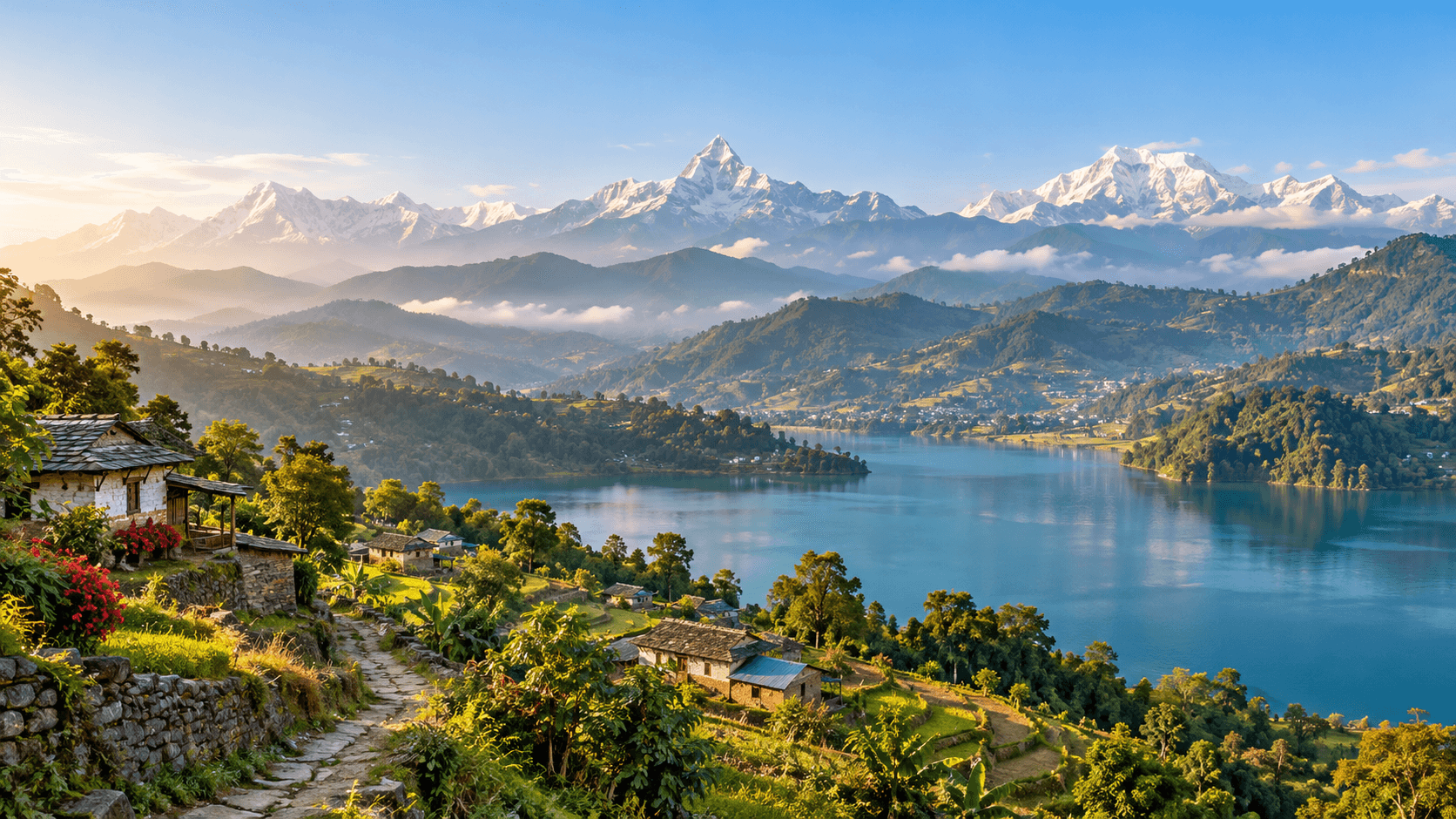
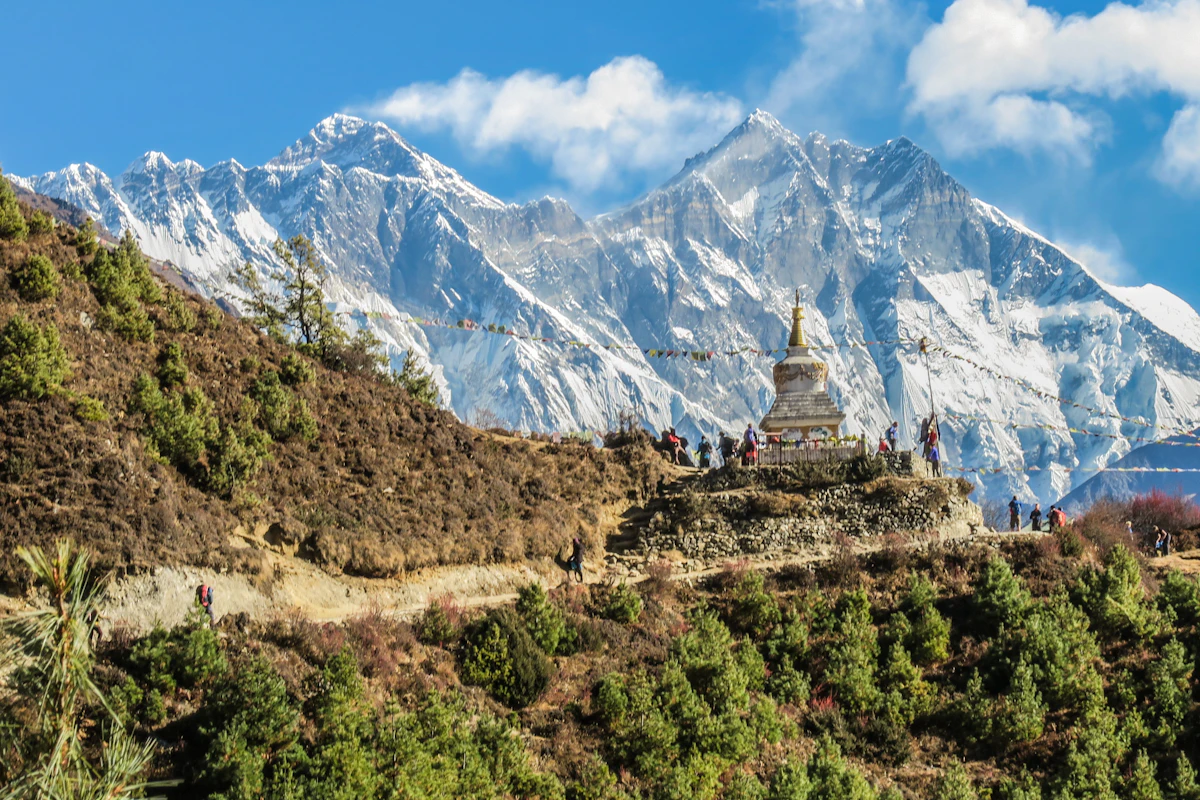
Most international travelers stay focused on Pokhara's bustling Lakeside promenade. While the lake cafes and peaceful dusk views are pleasant, the surrounding Kaski valley offers much richer scenery just 45 to 90 minutes away. This guide is written for independent travelers, couples, and walking enthusiasts seeking authentic day outings or gentle overnight walks away from tourist crowds.
Choosing the Right Outing for Your Trip
- For relaxing waterside scenery without hiking: Head to Begnas Lake or Rupa Lake (flat shorelines, peaceful wooden boats, zero permits).
- For mountain views with moderate walking: Choose Dhampus or Australian Camp (stone stair climbs, traditional Gurung villages, morning Himalayan panoramas).
- For a rewarding forest hike with an overnight stay: Explore Panchase (dense oak and rhododendron sanctuary, 1,000m+ climb, best enjoyed as a 2-day trip).
- Key Resource Links: If you only have one day in town, consult our companion One Day in Pokhara Itinerary. For mountain conservation permits, review our Nepal Trekking Permits Guide (2026).
Quick Comparison: 5 Destinations Around Pokhara
| Destination | Travel from Lakeside | Walking Effort | Estimated One-Way Transport | Suggested Duration | Permit Requirements |
|---|---|---|---|---|---|
| 1. Begnas Lake | 35–45 min by road | Minimal (Flat lakeshore) | NPR 50–70/person (bus) NPR 1,200–1,400/car (taxi) |
Half day (3–5 hrs) | None |
| 2. Rupa Lake | 45–60 min by road | Moderate if walking ridge | NPR 1,500–1,800/car (taxi to viewpoint) or walk from Begnas | Half to full day | None |
| 3. Dhampus | 40–45 min drive to Phedi | Moderate-strenuous (1.5–2 hr stone stair climb) | NPR 70–90/person (bus to Phedi) NPR 1,200–1,500/car (taxi to Phedi) |
Full day or 1 night | None for lower village; ACAP required if continuing past village |
| 4. Australian Camp | 45–50 min drive to Kande | Moderate (1.5–2 hr stair climb) | NPR 100–150/person (bus to Kande) NPR 1,800–2,000/car (taxi to Kande) |
Full day or 1 night | ACAP permit required for Pothana/ridge loop |
| 5. Panchase | 1.5–2 hrs drive to trailhead | Strenuous (Route-dependent climb, 460m to 1,100m gain) | NPR 150–200/person (bus) NPR 2,500–3,500/jeep (4WD) |
2 Days / 1 Night (Recommended) | None for standard forest trail |
Begnas Lake — A Relaxed Lakeside Escape
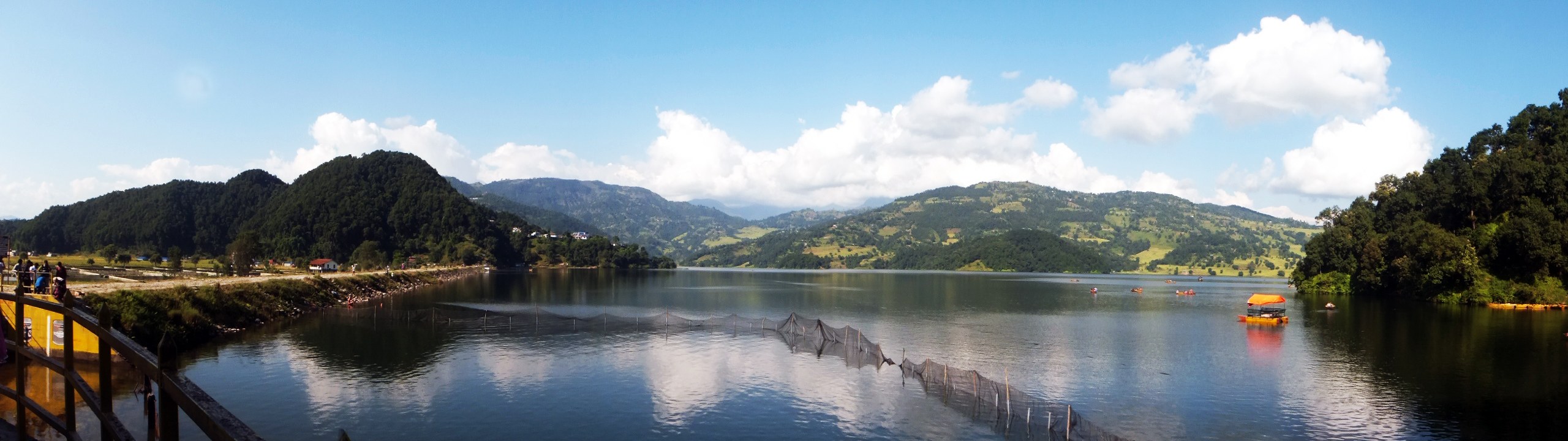
Why visit: Located about 15 kilometers east of Lakeside in Lekhnath, Begnas Lake is Nepal's third-largest lake. It provides a peaceful, natural environment without the commercial bustle, noisy motorboats, or endless souvenir shops found around Phewa Lake. It is an unhurried place to unwind by the water, watch local fishermen paddle wooden canoes, and savor freshly prepared freshwater fish.
Best for: Families, couples, solo readers, and travelers seeking rest without physical exertion.
Getting there: Take a local bus from Prithvi Chowk or Hallan Chowk for NPR 50–70 per person (approx. 45 minutes travel time). Alternatively, hire a private taxi from Lakeside for NPR 1,200 to 1,400 one-way per vehicle (approx. 35 minutes travel time).
Walking effort: Minimal. The paved access road reaches the dam and boat station directly. Walking is limited to an optional flat stroll along the concrete embankment and shoreline footpaths. Wheelchairs and strollers can navigate the main paved arrival area.
Suggested duration: Half day (3 to 5 hours total). Quiet eco-resorts on the northern hillside offer restful overnight accommodation for those wishing to wake up to tranquil waters.
Costs and permits:
- Transport: NPR 50–70 per person (local bus) or NPR 1,200–1,400 per taxi (one-way). Round-trip taxi with 2 hours waiting time is approximately NPR 2,200–2,500.
- Activities: Wooden rowboat rental with a boatman costs NPR 500 to 600 per hour (checked October 2026). Self-paddled boats cost roughly NPR 450 per hour plus a small lifejacket fee.
- Permits: No entry permits, national park fees, or municipality entry charges required.
Local tip: Walk 10 minutes past the main boat stand along the dam road to the small family-run fish eateries. They serve locally caught tilapia and silver carp pan-fried with mustard oil and timur (Himalayan pepper).
Rupa Lake — Rural Landscapes and Wetland Photography
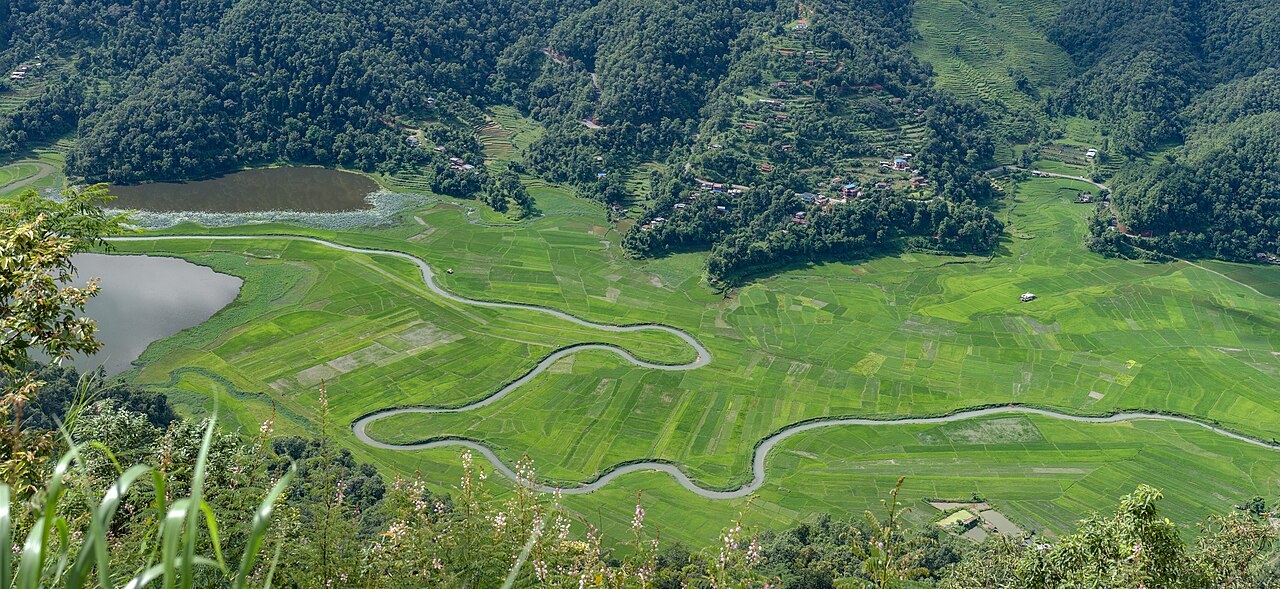
Why visit: Nestled immediately south of Begnas across the ridge of Sundari Danda, Rupa Lake is narrower, more rural, and relatively secluded. It is surrounded by lush marshlands, cage aquaculture cooperatives, and farming communities. The lake is especially well-regarded for wetland birdwatching, seasonal waterfowl, and landscape photography.
Best for: Photographers, birdwatchers, botanists, and travelers looking for an authentic Nepali rural setting.
Getting there: The most rewarding route is to travel first to Begnas Lake by bus or taxi, then hike over Sundari Danda ridge. If driving directly, hire a taxi from Lakeside to Sundari Danda or the Pachabhaiya viewpoint (NPR 1,500–1,800 one-way per car, approx. 50 minutes).
Walking effort: Moderate when walking from Begnas to Rupa via Sundari Danda. The trail involves roughly 45 to 60 minutes of gentle uphill on village dirt paths, followed by a descent toward Rupa. Wear shoes with reliable tread as trails become slippery after rain.
Suggested duration: Half day to full day (5 to 6 hours), commonly combined with a morning at Begnas Lake. Simple community homestays in Talbesi accommodate overnight guests, though most visitors return to Pokhara before dusk.
Costs and permits:
- Transport: Direct taxi to Sundari Danda viewpoint costs NPR 1,500–1,800 one-way per car. Combined Begnas-Rupa round-trip charter is approximately NPR 2,800–3,200.
- Activities: Walking the ridge is free. Modest boat trips operated by the local fishery cooperative cost around NPR 400–500 per hour when available.
- Permits: No permits required.
Local tip: Climb up to the Sundari Danda ridge crest. From this elevated narrow saddle, you can stand in one spot and view Begnas Lake to your left and Rupa Lake to your right simultaneously.
Dhampus — Traditional Gurung Scenery and Mountain Terraces
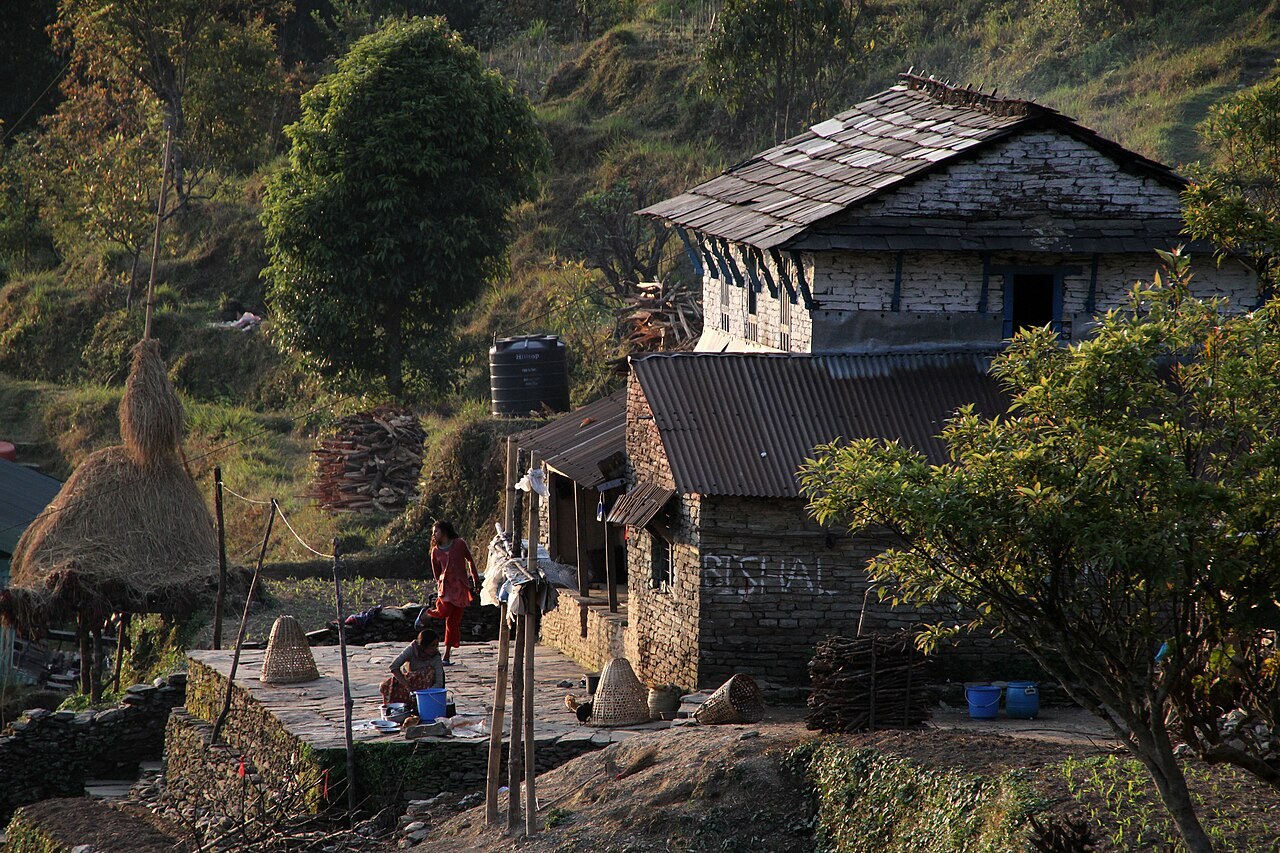
Why visit: Sitting on a panoramic ridgeline at roughly 1,650 meters, Dhampus is an established Gurung village celebrated for slate-roofed stone cottages, stone-paved lanes, and terraced agricultural fields. On clear mornings between October and April, it delivers close-up views of Machhapuchhre (Fishtail) and Annapurna South without the logistical commitment of a multi-week trek.
Best for: Culture enthusiasts, photographers, and hikers seeking a rewarding mountain day walk.
Getting there: Drive from Lakeside to the Phedi trailhead on the Pokhara-Baglung Highway (approx. 40 minutes travel time). A local bus to Phedi from Baglung Bus Park costs NPR 70–90 per person; a private taxi costs NPR 1,200 to 1,500 one-way per car. A rough dirt jeep road also connects directly to upper Dhampus (NPR 3,000–3,500 one-way per 4WD jeep).
Walking effort: Moderate to strenuous. The foot trail from Phedi consists of a continuous climb up roughly 1,800 stone steps, gaining approximately 500 meters of elevation over 1.5 to 2 hours. This section requires reasonable cardiovascular stamina and steady knees. Sturdy walking shoes are essential.
Suggested duration: Full day (6 to 7 hours including transport and lunch) or 1 night in a village teahouse to experience sunrise over the peaks.
Costs and permits:
- Transport: NPR 70–90/person (bus to Phedi) or NPR 1,200–1,500/car (taxi to Phedi). Round-trip taxi with drop-off at Phedi and return pickup from Phedi in late afternoon is typically NPR 2,500–3,000.
- Lodging & Meals: Basic twin teahouse room NPR 800–1,500/night; standard dal bhat NPR 450–600.
- Permits: Visiting lower Dhampus village and returning to Phedi does not pass an ACAP checkpoint. However, if walking further up the ridge toward Pothana, you enter the conservation area where an ACAP Entry Permit (NPR 3,000 for foreigners, NPR 1,000 for SAARC) is legally required.
Local tip: Book a room on the upper village ridge (Dhampus Danda). The lower village has modern concrete buildings, but the upper ridge retains traditional Gurung stone architecture and unobstructed mountain views at dawn.
Australian Camp — The Classic Ridge Walk (~2,060m)
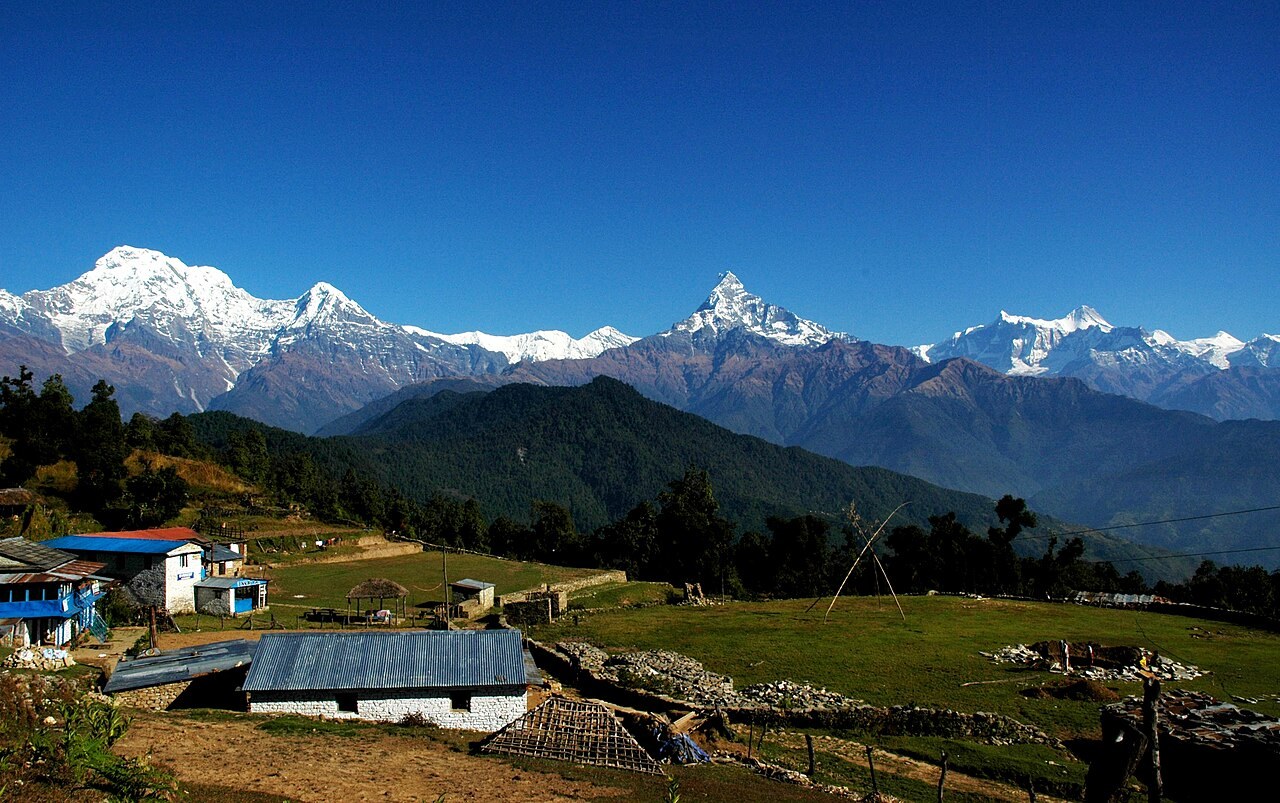
Why visit: Perched on a scenic, open saddle at roughly 2,060 meters, Australian Camp (originally known as Thulo Kharka) is a grassy meadow famed for sweeping mountain vistas of Annapurna South, Hiunchuli, and Machhapuchhre. It offers one of the most accessible ridge trekking experiences in Nepal, making it the premier micro-trek destination from Pokhara.
Best for: Active day-hikers, first-time mountain walkers, and travelers seeking an overnight lodge experience with sunset and sunrise views.
Getting there: Drive from Lakeside along the Pokhara-Baglung Highway to the village of Kande (approx. 45–50 minutes travel time). Local buses from Baglung Bus Park cost NPR 100–150 per person; a private taxi from Lakeside costs NPR 1,800 to 2,000 one-way per car.
Walking effort: Moderate. From Kande, a well-marked stone trail ascends through rhododendron woods for 1.5 to 2 hours, gaining approximately 300 meters of elevation. The gradient is steady but substantially shorter and less grueling than the steep stairs from Phedi to Dhampus.
The Classic Ridge Loop: For the finest single-day excursion, hike up from Kande to Australian Camp (1.5–2 hrs), stop for lunch on the meadow, continue down the forested ridge trail to Dhampus (1 hr), and descend the stone steps to Phedi (1–1.5 hrs) to meet your return taxi. Total walking time: 4 to 5 hours.
Suggested duration: Full day (6 to 8 hours loop) or 1 night to witness the evening alpenglow across Annapurna South.
Costs and permits:
- Transport: Taxi to Kande: NPR 1,800–2,000 one-way per car. If doing the loop (drop-off at Kande, pickup at Phedi), arrange a negotiated charter for NPR 3,200–3,800 total.
- Permits & Regulations: The trail connecting Australian Camp and Pothana passes through the Annapurna Conservation Area border. Foreign travelers doing the ridge loop must possess an ACAP Entry Permit (NPR 3,000 for foreign nationals, NPR 1,000 for SAARC, children under 10 free; checked October 2026). Per Nepal Tourism Board (NTB) trekking regulations, trekkers on notified mountain trails are also subject to TIMS and licensed guide rules. Obtain permits at the Tourist Service Centre in Damside, Pokhara before setting out.
Local tip: If hiking between March and April, the forest trails leading up from Kande are in vibrant bloom with scarlet and pink rhododendron (Nepal's national flower, Lali Gurans).
Panchase — The Forest Wilderness Hike (~2,500m)
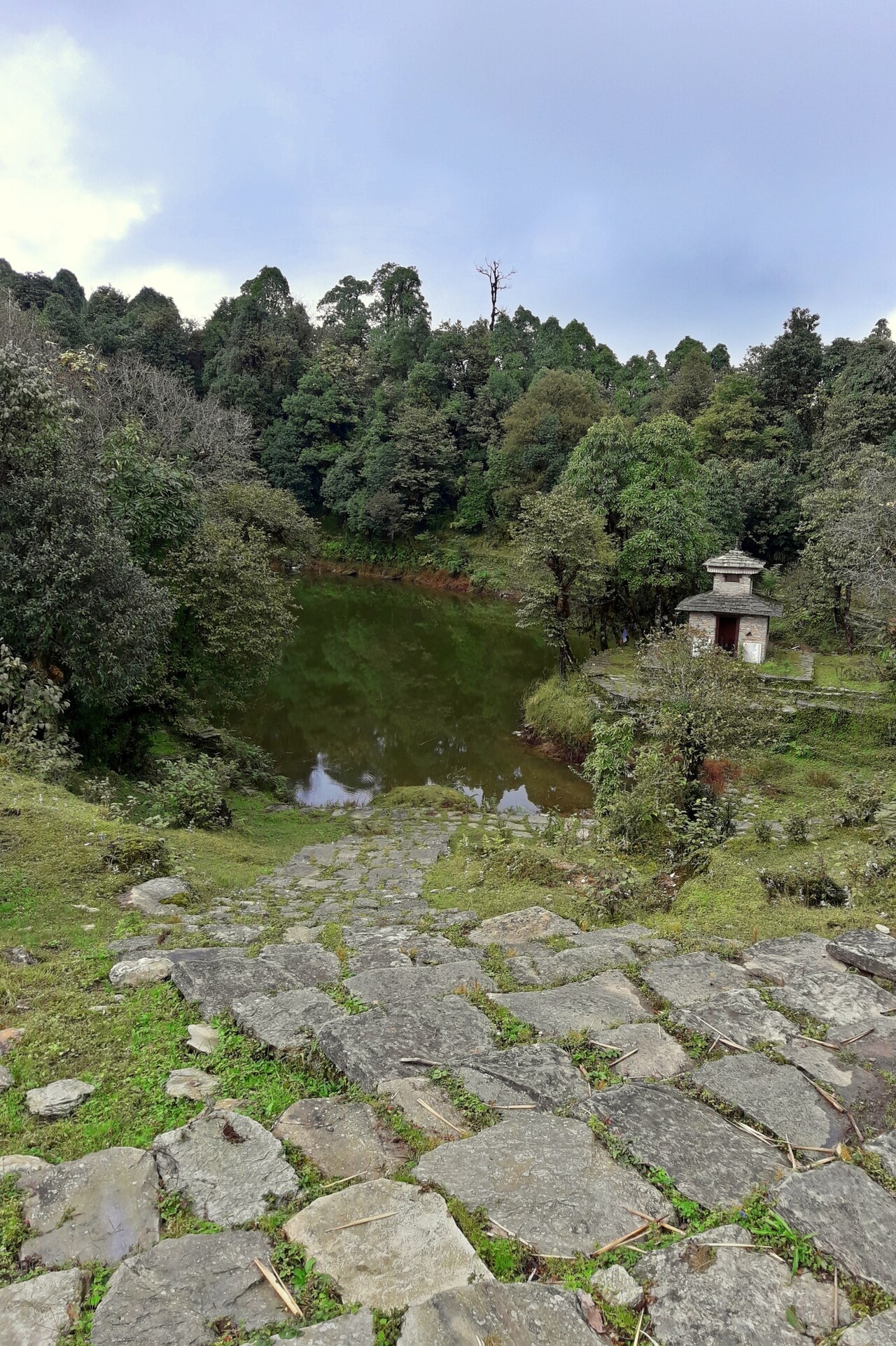
Why visit: Rising west of Pokhara, Panchase is a sacred, densely wooded ridge reaching 2,500 meters at its summit. It is protected as an ecological sanctuary boasting ancient oak, pine, and rhododendron forests, over 100 species of wild orchids, and quiet pilgrimage shrines. Unlike Australian Camp or Dhampus, Panchase feels thoroughly wild, secluded, and free of commercial tea-house clutter.
Best for: Experienced walkers, nature lovers, birdwatchers, and travelers seeking an authentic off-grid mountain journey.
Getting there & Understanding the Two Trailheads:
- Route A (via Ghatichhina): Drive roughly 45 to 60 minutes from Lakeside to Ghatichhina in the river valley (~950m elevation). Local buses from Harichowk cost NPR 80–100; a private taxi costs NPR 1,800–2,200. From Ghatichhina, a traditional footpath climbs continuously through farming hamlets and deep forest to Panchase Bhanjyang (~2,060m). Walking time: 5 to 6 hours. Elevation gain: ~1,100 meters. This is a sustained, strenuous ascent requiring strong fitness.
- Route B (via Bhadaure): Hire a 4WD jeep from Pokhara along the rough mountain track directly to Bhadaure village (~1,600m elevation; 1.5–2 hrs drive, NPR 2,500–3,500 per jeep). From Bhadaure, a much gentler forest trail leads up to Panchase Bhanjyang. Walking time: 2.5 to 3.5 hours. Elevation gain: ~460 meters.
The Summit Walk: From the overnight saddle at Panchase Bhanjyang, an early morning stone stair trail climbs a further 440 meters of elevation (~45 minutes) to reach Panchase Peak (2,500m). On clear mornings, the summit provides an extraordinary 360-degree panorama spanning Dhaulagiri, the entire Annapurna massif, and Manaslu.
Suggested duration: 2 Days / 1 Night is strongly advised. While fit hikers starting before dawn with private transport can theoretically push Route B in a long single day (7 to 8 hours round-trip walking), rushing it sacrifices the sunrise from the peak and increases fatigue.
Costs and permits:
- Transport: Local bus to Ghatichhina NPR 80–100/person; private 4WD jeep to Bhadaure NPR 2,500–3,500 one-way per vehicle.
- Lodging: Simple community homestays and rustic lodges in Panchase Bhanjyang cost NPR 700–1,200/night for a basic room; authentic local organic meals cost NPR 400–550.
- Permits: Panchase falls outside the core Annapurna Conservation Area statutory boundary. Standard ACAP permits are not required for this trail (checked October 2026).
Local tip: Carry sufficient Nepali Rupee cash. There are zero ATMs, card terminals, or mobile banking facilities anywhere past the trailheads. Facilities in Bhanjyang are rustic—expect solar or bucket hot water and bring a headlamp.
Practical Planning Advice for Visitors
Weather & Morning Visibility
Early starts may improve your chances of mountain views; visibility depends on weather. In autumn (Oct–Nov) and spring (Mar–Apr), clear morning skies often build cloud cover and valley haze by 11:00 AM. During winter (Dec–Jan), early valley fog usually clears by mid-morning. In the monsoon (Jun–Aug), expect frequent rain and leeches on forest trails.
What to Pack for Day Walks
Wear broken-in trail shoes or hiking boots with solid grip (stone stairs become slick when wet). Carry 1.5 to 2 liters of drinking water, sunscreen, a hat, a lightweight wind/rain shell, a small first-aid pouch, and small Nepali Rupee cash notes for teahouses and bus fares.
Frequently Asked Questions (FAQ)
Which outing involves the least walking?
Begnas Lake involves the least walking. Taxis and local buses drop you right at the paved dam and boat station. You can enjoy the lake, eat lunch, and take a boat ride without climbing hills or stone staircases.
Can Begnas Lake and Rupa Lake be combined into a single outing?
Yes. They are separated by the narrow ridge of Sundari Danda. You can take transport to Begnas in the morning, hike 45 to 60 minutes across Sundari Danda to view Rupa Lake, and return to Pokhara by mid-afternoon (5 to 6 hours total).
How does Australian Camp differ from Dhampus?
Dhampus is a traditional inhabited Gurung agricultural village with stone houses, schools, and terraced fields at 1,650 meters. Australian Camp is a higher (~2,060m) grassy alpine meadow with lodges catering specifically to trekkers, offering broader panoramic views of Annapurna South and Hiunchuli.
Which Panchase route suits an overnight trip versus a day trip?
Route B via Bhadaure is best if you have limited time, as the 4WD jeep road cuts walking time to 2.5–3.5 hours. However, staying overnight at Panchase Bhanjyang is strongly recommended for both routes so you can climb to the 2,500-meter peak at dawn for sunrise before clouds build up.
Editorial Standards & Corrections: Published by HamroBuzz Travel Desk. Information on transport rates, permits, and routes is independently checked against official schedules from the Nepal Tourism Board and local transport associations as of October 2026. If you notice an outdated fare or trail condition, please notify our editorial desk at [email protected].
Before you go
- 1Begnas and Rupa Lakes offer quiet water scenery and boat rides without crowds or trekking permits.
- 2Dhampus and Australian Camp provide stunning morning mountain vistas with moderate 1.5 to 2-hour stair climbs.
- 3Panchase is a rewarding forest wilderness hike requiring good fitness and best enjoyed as an overnight stay.
Staff correspondent and investigative writer at HamroBuzz: हाम्रोबज सम्पादकीय ब्युरो (HamroBuzz Bureau)
Keep exploring

Kathmandu to Pokhara Transport (2026 Comparison): Tourist Bus, Flight, Private EV, or Micro?
As the Prithvi Highway four-lane expansion nears completion, here is the honest, field-tested breakdown of travel times, transparent pricing, safety, and comfort.
Field Guides
18 Years of Feeding Trekkers: How a Family-Run Lakeside Bakery Survived Pokhara's Tourism Revolutions
From kerosene ovens during 18-hour load-shedding to artisanal sourdough in the digital nomad era, owner Hari Shrestha reflects on two decades on the Annapurna trail.
Food & Flavours
First Time in Pokhara? A Practical 2026 Visitor’s Guide to Transport, Budget, and Local Etiquette
From airport taxi negotiations and Lakeside neighborhood distinctions to ATM reliability and trekking permit desks, here is what independent travelers actually need to know before arrival.
Field GuidesKathmandu to Pokhara Transport (2026 Comparison): Tourist Bus, Flight, Private EV, or Micro?
As the Prithvi Highway four-lane expansion nears completion, here is the honest, field-tested breakdown of travel times, transparent pricing, safety, and comfort.
Field Guides18 Years of Feeding Trekkers: How a Family-Run Lakeside Bakery Survived Pokhara's Tourism Revolutions
From kerosene ovens during 18-hour load-shedding to artisanal sourdough in the digital nomad era, owner Hari Shrestha reflects on two decades on the Annapurna trail.
Food & FlavoursFirst Time in Pokhara? A Practical 2026 Visitor’s Guide to Transport, Budget, and Local Etiquette
From airport taxi negotiations and Lakeside neighborhood distinctions to ATM reliability and trekking permit desks, here is what independent travelers actually need to know before arrival.
Field Guides