Longer Treks in Nepal: Routes, Itineraries, Costs and Permits
A simple, clear guide to 5 classic multi-day Nepal treks: Langtang, Annapurna Base Camp, Annapurna Circuit, Everest Base Camp, and Gokyo Lakes. Includes verified official permit fees, flight tips, altitude safety, and realistic budgets.
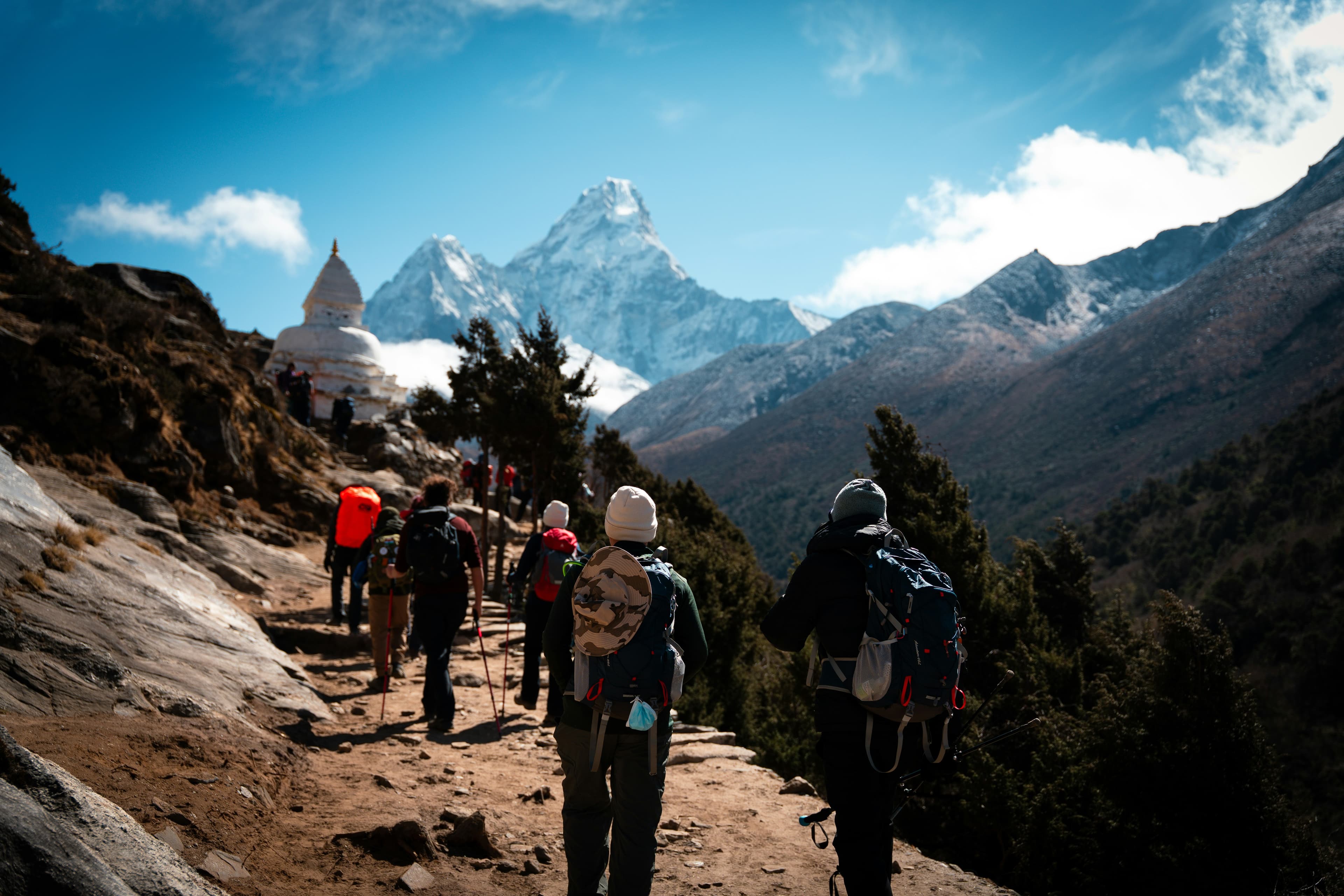
Verified Travel Guide • Research Date: October 14, 2026 (Asia/Kathmandu Time) All facts in this guide have been checked directly with official government portals: the Nepal Tourism Board (NTB), the National Trust for Nature Conservation (NTNC), the Department of National Parks and Wildlife Conservation (DNPWC), the Khumbu Pasang Lhamu Rural Municipality, and the Civil Aviation Authority of Nepal (CAAN). Altitude health rules follow the official CDC Yellow Book. Currency is shown in Nepali Rupees (NPR) with approximate US Dollars (USD) at $1 USD = NPR 133. Walking through the high Himalayas is one of the greatest adventures on earth. A longer trek takes you past green valleys, quiet stone villages, and roaring mountain rivers, all the way to frozen glaciers standing right below 8,000-metre peaks. However, a successful trek needs good planning. Choosing a trail that is too long for your vacation, skipping rest days to adjust to thin air, or not knowing about seasonal flights can spoil your trip. In this guide, we explain five of Nepal’s best multi-day treks in simple words: Langtang Valley, Annapurna Base Camp, Annapurna Circuit, Everest Base Camp, and Gokyo Lakes. Quick Comparison: Routes, Days, Heights, and Costs Important note: Walking Days means the actual days you walk on the mountain path. Total Nepal Days includes the extra days you need for bus or flight travel, rest days to get used to the altitude, and extra buffer days in case of bad weather. Trek Name Best Suited For Start City Walking Days Total Trip Days Highest Sleep Highest Point Difficulty Est. Cost (Foreigner) Main Challenge Langtang Valley Quiet pace, local culture, no flights needed Kathmandu 7–8 days 10–11 days 3,870 m (Kyanjin) 4,773 m (Kyanjin Ri) Moderate $415–$540 (NPR 55k–72k) Bumpy 7-hr road to Syabrubesi Annapurna Base Camp Surrounded by giant snow peaks, hot springs Pokhara 7–9 days 11–13 days 4,130 m (ABC) 4,130 m (ABC) Moderate to Stiff $520–$680 (NPR 69k–90k) Thousands of steep stone steps Annapurna Circuit Changing scenery, Tibetan villages, high pass Pokhara / Besisahar 10–13 days 15–17 days 4,850 m (High Camp) 5,416 m (Thorong La) Challenging $660–$860 (NPR 88k–114k) Very high pass; road traffic below Everest Base Camp Seeing Mount Everest, Sherpa culture, historic trail Kathmandu / Ramechhap 11–12 days 15–17 days 5,164 m (Gorak Shep) 5,545 m (Kala Patthar) Challenging $1,120–$1,420 (NPR 149k–189k) Night drive to Ramechhap; thin air Gokyo Lakes & Ri Calm blue glacial lakes, top panoramic viewpoint Kathmandu / Ramechhap 11–13 days 15–17 days 4,790 m (Gokyo) 5,357 m (Gokyo Ri) Challenging $1,130–$1,440 (NPR 150k–191k) Long walk at high altitude Special Route Notice: Manaslu Circuit (Dated: October 14, 2026) In early October, heavy monsoon rains caused severe flash flooding along the Budhi Gandaki river. Several suspension bridges and trail sections were washed away between Machhakhola, Tatopani, and Jagat. Local trail repair teams are building temporary paths, but we do not recommend the Manaslu Circuit right now until local authorities and the trekking association give an official clearance. If you are planning this trek, check directly with a registered agency in Kathmandu before paying any non-refundable fees. 1. Langtang Valley Trek (7–8 Walking Days) The easiest longer trek to organise: grand alpine views with zero flight stress. Photo: Kyanjin Gompa village in Langtang Valley. Image credit: Cheryl.13 / Wikimedia Commons (CC BY-SA 4.0). What Makes This Trek Special Langtang Valley sits just 120 kilometres north of Kathmandu, near the border with Tibet. In 2015, a huge earthquake badly damaged the valley, but the local Tamang people have rebuilt their stone lodges with incredible courage. The trail starts in warm green forests and ends in a wide, sunny mountain valley where yaks graze below Langtang Lirung (7,227m). Who Should Choose It Langtang is the perfect choice if you have a total of 10 to 12 days for your Nepal holiday. You do not have to buy domestic flight tickets or worry about flights being cancelled due to bad weather. However, the initial drive to the trailhead is long and bumpy. How to Get There Take a public bus (NPR 700 to 900) or hire a private 4WD jeep (NPR 18,000 to 22,000 for the whole vehicle) from Machhapokhari in Kathmandu to Syabrubesi (1,460m). The drive takes 7 to 8 hours over winding hill roads. Simple Day-by-Day Walking Plan Day 1: Drive from Kathmandu to Syabrubesi (1,460m). Overnight in lodge. Day 2: Walk from Syabrubesi to Lama Hotel (2,470m) through bamboo and oak forest (5–6 hours walking, climb 1,010m). Day 3: Walk from Lama Hotel to Langtang Village / Mundu (3,430m) as the valley opens up (5 hours, climb 960m). Day 4: Walk from Mundu to Kyanjin Gompa (3,870m). Short walk (3–4 hours, climb 440m). Visit the famous local yak cheese factory in the afternoon. Day 5: Acclimatization day. Hike up to Kyanjin Ri (4,773m) or Tsergo Ri (4,984m) for panoramic mountain views, then walk back down to Kyanjin Gompa to sleep. Day 6: Walk down from Kyanjin Gompa to Lama Hotel (2,470m) (6 hours walking, descend 1,400m). Day 7: Walk down from Lama Hotel to Syabrubesi (1,460m) (4–5 hours). Day 8: Drive from Syabrubesi back to Kathmandu (7 hours). Official Permits and Guide Rules Foreign nationals need a Langtang National Park Permit (NPR 3,390 with tax) and a TIMS Card (NPR 2,000). By Nepal Tourism Board rules, all foreign trekkers must walk with a licensed guide hired through a registered agency. Nepali citizens do not need a TIMS card or licensed guide, paying only NPR 100 park entry. 2. Annapurna Base Camp (7–9 Walking Days) Walk right into a giant circle of 7,000m and 8,000m snow mountains. Photo: Annapurna I South Face from Base Camp. Image credit: Steve Hicks / Wikimedia Commons (CC BY 2.0). What Makes This Trek Special Annapurna Base Camp (ABC) takes you deep into the "Annapurna Sanctuary." This is a deep, narrow mountain bowl completely surrounded by giant peaks. When you wake up at Base Camp (4,130m), you are looking directly up at the sheer rock wall of Annapurna I (8,091m), Annapurna South, and the sacred Machhapuchhre (Fishtail). Who Should Choose It This trek is great for people who want to be right up against giant snow mountains without sleeping higher than 4,130 metres. However, you must have strong knees: the trail has thousands of steep stone steps, especially around the village of Chhomrong. How to Get There The trek starts from Pokhara. From Kathmandu, travel to Pokhara by tourist bus (7–8 hours, NPR 1,200 to 2,000) or take a 25-minute flight. From Pokhara, take a shared jeep or private car (2 hours, NPR 1,500 to 4,000) to Siwai or Matque to begin walking. Simple Day-by-Day Walking Plan Day 1: Drive from Pokhara to Matque/Siwai, walk up stone steps to Chhomrong (2,170m) (4–5 hours walking). Day 2: Walk from Chhomrong down to the river, then climb up to Bamboo or Dovan (2,500m) (5–6 hours). Day 3: Walk from Dovan through the bamboo forest gorge to Deurali (3,200m) (5 hours). Day 4: Walk from Deurali past Machhapuchhre Base Camp (3,700m) to Annapurna Base Camp (4,130m) (5–6 hours). Day 5: Watch the sunrise over Annapurna South, then walk back down to Bamboo (2,310m) (6 hours). Day 6: Walk from Bamboo to Jhinu Danda (1,780m) (5 hours). Soak in the natural hot springs beside the river. Day 7: Walk 1.5 hours to the road at Siwai, then drive by jeep back to Pokhara (2.5 hours). Permits and Environmental Rules Foreign nationals need an ACAP Conservation Permit (NPR 3,000) and a TIMS Card (NPR 2,000). A licensed guide is mandatory for foreign visitors. Single-use plastic water bottles are banned past Chhomrong; you must fill your reusable bottle with boiled or filtered water at safe drinking stations (NPR 70 to 120 per litre). 3. Annapurna Circuit Trek (10–13 Walking Days) The ultimate classic loop crossing the high Thorong La Pass at 5,416 metres. Photo: Prayer flags at Thorong La Pass (5,416m). Image credit: Vyacheslav Argenberg / Wikimedia Commons (CC BY 4.0). What Makes This Trek Special The Annapurna Circuit is famous because the scenery changes completely every few days. You begin in warm, green farmland, hike into high pine forests, enter the dry, wind-carved Buddhist valley of Manang, and cross the giant Thorong La Pass into the desert-like hills of Mustang. How New Dirt Roads Changed the Circuit In the past, the Circuit took three weeks to walk. Today, dirt roads reach Manang on one side and Muktinath on the other. You do not need to walk along dusty roads. Most smart trekkers now take a jeep past the dusty lowlands to Chame or Pisang, walk through Manang and over the pass, and finish in Muktinath or Jomsom. Simple Day-by-Day Walking Plan Day 1: Drive from Kathmandu or Pokhara to Besisahar, then take a 4WD jeep up to Chame (2,670m). Day 2: Walk from Chame to Upper Pisang (3,300m) with views of huge rock walls (5–6 hours walking). Day 3: Walk from Upper Pisang to Manang (3,540m) taking the high trail via Ngawal for better views and acclimatization (6–7 hours). Day 4: Rest and acclimatization day in Manang (3,540m). Short walk to Gangapurna Lake or viewpoints. Day 5: Walk from Manang to Yak Kharka (4,050m) (4 hours, climb 510m). Keeping the climb short keeps you safe from altitude illness. Day 6: Walk from Yak Kharka to Thorong Phedi or High Camp (4,850m) (3.5–4.5 hours). Day 7: Pass Crossing Day: Wake up at 4:00 AM. Cross Thorong La Pass (5,416m) and walk down to the sacred village of Muktinath (3,760m) (8–9 hours total). Day 8: Visit the Muktinath temples, then walk down the scenic Kali Gandaki valley to Jomsom (2,720m) (5 hours). Day 9: Take a 20-minute flight or a 7-hour jeep ride from Jomsom back to Pokhara. Official Permits Foreign nationals need an ACAP Permit (NPR 3,000) and a TIMS Card (NPR 2,000), plus a licensed guide. Nepali nationals are exempt from ACAP and TIMS permits. 4. Everest Base Camp (11–12 Walking Days) The world's most famous mountain path through the Sherpa heartland. Photo: Everest Base Camp on the Khumbu Glacier. Image credit: Luca Galuzzi / Wikimedia Commons (CC BY-SA 2.5). What Makes This Trek Special This trek takes you to the foot of the highest mountain in the world (8,848.86m). You walk past famous Buddhist monasteries like Tengboche, cross suspension bridges decorated with prayer flags, visit the busy Sherpa market town of Namche Bazaar, and stand on top of Kala Patthar (5,545m) to see Mount Everest glowing in the morning sun. Important Flight Notice: Ramechhap / Manthali Airport Many first-time visitors expect to fly to Lukla straight from Kathmandu. However, during peak trekking seasons (October–November and March–April), the Civil Aviation Authority of Nepal (CAAN) moves all regular Lukla flights to Ramechhap / Manthali Airport. This means you will wake up around 1:00 AM or 2:00 AM in Kathmandu and drive 4.5 to 5 hours in a shared bus or car across the hills to Ramechhap, where you board your 20-minute flight to Lukla. Keep this in mind so you are not surprised. Simple Day-by-Day Walking Plan Day 1: Night drive to Ramechhap; morning flight to Lukla (2,840m); walk 3 hours to Phakding (2,610m). Day 2: Walk from Phakding across high suspension bridges and climb up to Namche Bazaar (3,440m) (5–6 hours walking). Day 3: Rest and acclimatization day in Namche Bazaar (3,440m). Hike up to the Everest View Hotel (3,880m) to help your body adjust to the thinner air. Day 4: Walk from Namche Bazaar through pine forests to Tengboche Monastery (3,860m) (5 hours). Day 5: Walk from Tengboche to Dingboche (4,410m) (5 hours). The trees disappear and you enter open alpine country. Day 6: Second rest and acclimatization day in Dingboche (4,410m). Hike up Nagarjun Hill to 4,800m, then come back down to sleep. Day 7: Walk from Dingboche past the climber memorials to Lobuche (4,940m) (5 hours). Day 8: Walk from Lobuche to Gorak Shep (5,164m). Drop your heavy bags, walk to Everest Base Camp (5,364m) on the glacier, and walk back to Gorak Shep to sleep (7–8 hours total). Day 9: Climb Kala Patthar (5,545m) at sunrise for the best view of Mount Everest. Walk down to Pheriche (4,240m) to sleep in richer air (7 hours). Day 10: Walk down from Pheriche to Namche Bazaar (3,440m) (6 hours). Day 11: Walk down from Namche Bazaar back to Lukla (2,840m) (6–7 hours). Day 12: Fly from Lukla to Ramechhap; take road transport back to Kathmandu. Permit Rules for Everest In the Khumbu region, the rules are different from the rest of Nepal. You buy a Khumbu Pasang Lhamu Rural Municipality Entry Card (NPR 3,000) at Lukla, and a Sagarmatha National Park Permit (NPR 3,390) at Monjo. The central TIMS card is not used in the Everest region. 5. Gokyo Lakes and Gokyo Ri (11–13 Walking Days) Calm turquoise glacial lakes and an even broader mountain panorama than EBC. Photo: Dudh Pokhari (Third Lake) from Gokyo Ri. Image credit: Vyacheslav Argenberg / Wikimedia Commons (CC BY 4.0). What Makes This Trek Special Instead of walking on the crowded trail to Everest Base Camp, the Gokyo trek branches off into a peaceful side valley. You walk past a series of sparkling, turquoise glacial lakes. From the top of Gokyo Ri (5,357m), you can see four 8,000-metre giants at once: Mount Everest, Lhotse, Makalu, and Cho Oyu. Who Should Choose It Choose Gokyo if you want the high-mountain drama of the Everest region but prefer quieter trails and love lake scenery. The permits and flight arrangements are the same as the Everest Base Camp trek. Clear Per-Person Budgets (Itemized and Verified) Below is a realistic estimate of what an independent trekker will actually spend per person when sharing a guide, porter, and room with one partner. All numbers are shown in Nepali Rupees (NPR) and approximate US Dollars (USD). Expense Category Langtang (8 Days) Annapurna Base Camp (8 Days) Annapurna Circuit (12 Days) Everest Base Camp (12 Days) Domestic Flights / Road Jeeps NPR 3,500 ($26) NPR 7,000 ($53) NPR 12,000 ($90) NPR 54,000 ($406) Official Permits & Fees NPR 5,390 ($41) NPR 5,000 ($38) NPR 5,000 ($38) NPR 6,390 ($48) Licensed Guide (Shared $30/day) NPR 16,000 ($120) NPR 16,000 ($120) NPR 24,000 ($180) NPR 24,000 ($180) Porter (Shared $22/day) NPR 11,700 ($88) NPR 11,700 ($88) NPR 17,600 ($132) NPR 17,600 ($132) Teahouse Lodging (Shared Twin Bed) NPR 5,600 ($42) NPR 6,400 ($48) NPR 10,800 ($81) NPR 14,400 ($108) Daily Meals (Breakfast, Lunch, Dinner) NPR 22,400 ($168) NPR 24,000 ($180) NPR 38,400 ($289) NPR 50,400 ($379) Hot Showers, Battery Charging & Water NPR 4,000 ($30) NPR 5,000 ($38) NPR 7,500 ($56) NPR 11,000 ($83) Trail Emergency Cash Buffer NPR 3,500 ($26) NPR 4,000 ($30) NPR 6,000 ($45) NPR 11,000 ($83) Total Estimated (Foreign Trekker) NPR 71,500 ($538) NPR 79,100 ($595) NPR 121,300 ($912) NPR 188,790 ($1,419) Estimated for Nepali Trekkers NPR 31,500 NPR 37,000 NPR 58,000 NPR 82,000 Altitude Safety: What You Must Know Altitude sickness is not a question of courage or how fit you are at the gym. It happens because there is less air pressure higher up, so every breath gives your body less oxygen. The official guidance from the CDC Yellow Book gives these clear rules: Limit Daily Sleeping Gain: Above 3,000 metres (9,840 ft), do not move your sleeping lodge more than 300 to 500 metres higher each night. Take Regular Rest Days: Spend an extra night at the same sleeping height every 3 or 4 days (such as at Namche Bazaar, Manang, or Dingboche). Climb High, Sleep Low: On rest days, hike up to a viewpoint during the day, spend an hour there, and then walk back down to sleep. This helps your body make more red blood cells. Listen to Early Warnings: A mild headache with loss of appetite, nausea, or dizziness means you have Acute Mountain Sickness (AMS). Never walk higher if you have these symptoms. The Golden Rule: If you feel very sick, have trouble breathing while sitting down, or cannot walk in a straight line, you must walk down immediately. Walking down 500 to 1,000 metres is the most effective life-saving medicine. Frequently Asked Questions (FAQ) 1. Which trek fits a two-week Nepal vacation? Langtang Valley (7–8 days walking, 10–11 days total) and Annapurna Base Camp (7–9 days walking, 11–13 days total) fit easily into a 14-day holiday. They leave you enough time for city transfers and rest days. 2. Can foreign tourists trek alone without a guide? No. Since April 1, 2023, the Nepal Tourism Board requires all foreign trekkers to hire a licensed guide through an approved trekking agency for areas that require a TIMS card, such as Langtang and Annapurna. Checkpoints will turn you back if you do not have a licensed guide. 3. What happens if our Lukla flight gets cancelled? Airlines reschedule your ticket for the next clear morning. If thick clouds stay for days, helicopters may still fly for an extra $350 to $500 per seat. You can also hike down to Surke or Paiya and take an overland 4WD jeep back to Kathmandu. This is why you should always keep two extra buffer days at the end of your trip. 4. What does travel insurance need to cover? Your insurance policy must explicitly cover hiking up to 6,000 metres and must include emergency helicopter rescue. Standard vacation insurance only covers up to 2,500 or 3,000 metres and will not pay for mountain rescue. Official Sources, Government Authorities, and Image Credits HamroBuzz gives sincere credit to the official organizations and authorities that provide the data, regulations, and photography for this report: Trekking Rules & TIMS Policy: Nepal Tourism Board (NTB). Conservation Permits (ACAP): National Trust for Nature Conservation (NTNC) ePermit System. National Park Entry Fees: Department of National Parks and Wildlife Conservation (DNPWC), Government of Nepal. Khumbu Entry Regulations: Khumbu Pasang Lhamu Rural Municipality, Solukhumbu, Nepal. Flight and Airport Operations: Civil Aviation Authority of Nepal (CAAN). High-Altitude Medical Standards: CDC Yellow Book (Health Information for International Travel). Photography Credits: Cheryl.13, Steve Hicks, Vyacheslav Argenberg, and Luca Galuzzi via Wikimedia Commons (under Creative Commons licenses CC BY-SA 4.0, CC BY 2.0, and CC BY-SA 2.5); cover image by Prajwal K via Unsplash. Disclaimer: Weather, road conditions, and local mountain fees can change quickly. Always reconfirm trail status and local transport with your licensed guide before setting out. Explore More Nepal Travel Guides on HamroBuzz: Short Treks in Nepal: 2–7-Day Routes, Costs and Starting Points Pokhara City Guide: Top Activities and Lakefront Stays Bandipur in 2 Days: Things to Do, Where to Stay and Travel Costs
Before you go
- 1Shorter long treks: Langtang Valley (7–8 days walking) and Annapurna Base Camp (7–9 days walking) are great for a 2-week Nepal holiday.
- 2Big classic circuits: Annapurna Circuit (10–13 days walking over Thorong La Pass, 5,416m) and Everest Base Camp / Gokyo Lakes (11–13 days walking up to 5,545m) need 15 to 18 total days in Nepal.
- 3Flight tip for Everest: In peak trekking season (October to November), most small flights to Lukla fly from Ramechhap / Manthali airport instead of Kathmandu. You must take a 4-to-5-hour road drive from Kathmandu to catch these flights.
- 4Permit rules: Foreign trekkers need official permits and a licensed guide for Langtang and the Annapurna region. In Khumbu (Everest/Gokyo), you buy a local entry card and national park pass. Nepali citizens do not need tourist permits.
- 5Altitude safety (CDC rules): Being physically fit does not stop altitude sickness. Above 3,000 metres, do not sleep more than 300 to 500 metres higher each night. Take a rest day every 3 or 4 days. If you feel very sick, walk down immediately.
- 6Manaslu flood update: Manaslu Circuit suffered heavy trail and bridge damage from early October floods along the Budhi Gandaki river. It is not currently recommended without fresh local confirmation.
Official newsroom desk reports produced under HamroBuzz editorial verification, source authentication, and fact-checking standards.