Chitwan for First-Time Visitors: A 3-Day Itinerary, Safari Options and Total Costs
An editorial planning guide for international travellers: realistic highway transit, core park vs. buffer zone safaris, Sauraha vs. Meghauli bases, statutory fees, and estimated planning budgets.
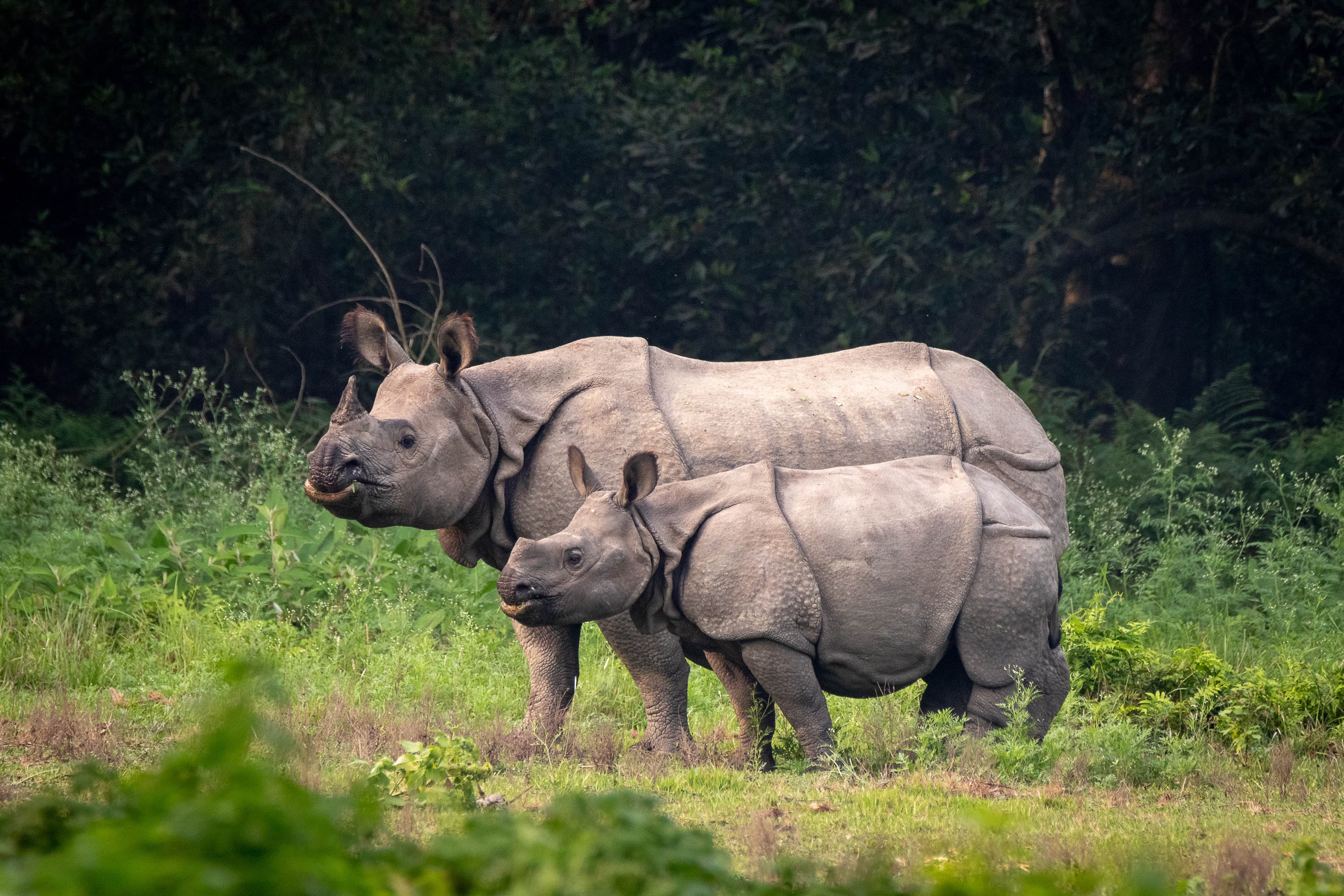
Established in 1973 and inscribed as a UNESCO World Heritage site in 1984, Chitwan National Park protects 952.63 square kilometres of subtropical Sal forest, alluvial river corridors, and oxbow lakes in Nepal’s inner Terai lowlands. The park preserves vital sanctuaries for the Greater One-Horned Rhinoceros (Rhinoceros unicornis), Bengal Tiger (Panthera tigris), Gharial crocodile (Gavialis gangeticus), and more than 540 recorded bird species.
For international travellers arriving from alpine treks in the Himalayas or urban heritage circuits in Kathmandu, the lowland Terai offers a completely different landscape. However, successful trip planning requires navigating statutory park permit fees, understanding the operational boundaries between the core national park and peripheral community forest buffer zones, and budgeting realistic highway transit windows.
1. Where to Start and How to Reach Chitwan
Most international visitors depart from either Kathmandu or Pokhara. The primary commercial gateway is Sauraha, situated along the northern bank of the Rapti River. The western gateway is Meghauli, positioned approximately 30 kilometres further west near the Rapti-Narayani confluence.
| Starting Hub | Mode of Transport | Arrival Point | Transit Time | Published Fare (NPR) | Onward Hotel Transfer |
|---|---|---|---|---|---|
| Kathmandu | Tourist Bus (Deluxe / AC) | Sauraha Tourist Bus Park | 6 – 9 hours | 1,000 – 1,600 | Hotel shuttle or NPR 200–300 auto-rickshaw |
| Kathmandu | VIP Sofa Tourist Bus | Sauraha Tourist Bus Park | 6 – 8.5 hours | 1,800 – 2,500 | Hotel shuttle or NPR 200–300 auto-rickshaw |
| Kathmandu (KTM) | Scheduled Domestic Flight (Buddha / Yeti) | Bharatpur Airport (BHR) | 22 mins air | $90 – $135 USD ~NPR 13,960–20,950 |
Airport taxi to Sauraha: NPR 1,500 – 2,000 |
| Pokhara | Tourist Bus (Standard / Deluxe) | Sauraha Tourist Bus Park | 5 – 7 hours | 1,000 – 1,500 | Hotel shuttle or NPR 200–300 auto-rickshaw |
| KTM or Pokhara | Private Hired Vehicle (Sedan / Scorpio) | Direct Hotel Doorstep | 5 – 7.5 hours | 11,000 – 15,000 per vehicle (1–4 pax) |
Direct drop-off included |
Travellers connecting to or from Pokhara can cross-reference our regional Pokhara excursion guide and our Mardi Himal itinerary for route pairings.
2. Where to Stay: Sauraha vs. Meghauli
Your base location directly affects your daily logistics, safari flexibility, and expenditure:
Sauraha (Riverside Hub)
Independent Travel HubMeghauli (Western Wilderness)
Luxury Seclusion3. A Realistic Three-Day Itinerary
This three-day framework schedules high-demand activities during peak animal movement hours while providing buffer time for transit:
Day 1: Arrival, River Walk & Orientation
Pacing: GentleDay 2: River Float, Nature Walk & Core Park Jeep Safari
Pacing: Active / ImmersiveDay 3: Dawn Community Birding & Departure
Pacing: Flexible4. Safari Activities: Core Park vs. Buffer Zone Options
Safari offerings differ significantly by legal jurisdiction, road conditions, and fee structures:
| Safari Excursion | Jurisdiction | Duration | Demand | Estimated Rate (NPR) | Statutory Rules & Permits |
|---|---|---|---|---|---|
| Jeep Safari (Core Park) | UNESCO National Park | 4 – 5 hours | Low | 2,800 – 3,500 / seat or 16,000–20,000 private |
Requires DNPWC Park Permit (NPR 2,260) + certified nature guide. Core tracks close during monsoon. |
| Jeep Safari (Buffer Zone) | Kumroj / Baghmara Forests | 3 – 4 hours | Low | 1,800 – 2,400 / seat or 10,000–13,000 private |
Community entry ticket (NPR 250–300). Less vulnerable to seasonal road closures than the core park. |
| Guided Walking Safari | Core Park or Buffer Zone | Half / Full Day | Moderate | 2,500 – 4,000 guide group rate |
Mandatory 2 certified nature guides per party under DNPWC regulations. Park permit required if crossing into core zone. |
| Rapti River Canoe Float | Rapti River Boundary | 45 – 60 mins | Low | 1,200 – 1,800 canoe alone |
Standalone boat ride; customarily bundled with nature walk return at NPR 2,000–2,400 total. |
The Two-Guide Mandatory Regulation: Under park management guidelines enforced by Chitwan National Park sector posts and the Nature Guide Association of Chitwan (NGAC), every on-foot walking group must be accompanied by at least two certified nature guides. Before stepping onto forest trails, guides deliver a mandatory safety briefing regarding group spacing, silence, and wildlife encounter protocols. Follow the certified guide’s commands immediately and without hesitation.
5. Complete Trip Expenses: Itemized 3-Day Budgets
All figures reflect independent travel based in Sauraha. Statutory park entry fees follow the Government of Nepal tariff schedule (DNPWC Rule 22). Foreign currency baseline: 1 USD = NPR 155.16 selling / NPR 154.56 buying (official Nepal Rastra Bank reference rate dated October 9, 2026).
| Budget Line Item | Budget Solo (NPR) | Mid-Range Solo (NPR) | Couple Sharing (NPR) |
|---|---|---|---|
| Intercity Coach Transit (Roundtrip) | 2,600 (Standard) | 4,500 (VIP Sofa) | 9,000 (2x VIP Sofa) |
| Lodging (2 Nights) | 4,000 (Guesthouse) | 14,000 (Resort Solo) | 14,000 (Shared Resort Room) |
| Food & Dining (3 Days) | 4,500 (Local cafes) | 7,000 (Riverside dining) | 14,000 (Dining for two) |
| DNPWC Core National Park Entry Permit | 2,260 (1 Day foreign) | 2,260 (1 Day foreign) | 4,520 (2x Foreign permits) |
| Day 2 Bundled Canoe Float & Nature Walk | 2,200 (Bundled package) | 2,200 (Bundled package) | 4,400 (2x Bundled packages) |
| Afternoon Jeep Safari | 2,200 (Buffer zone shared) | 3,000 (Core park shared) | 6,000 (2x Core shared seats) |
| Day 3 Morning Birdwatching & Guide | 300 (Community ticket) | 1,300 (Ticket + shared guide) | 2,600 (2 tickets + private guide) |
| Local Transfers, Rickshaws & Incidentals | 1,300 | 1,500 | 13,500 (Taxi, tips, incidentals) |
| Estimated Total (3 Days) | NPR 19,360 | NPR 35,760 | NPR 68,020 |
| Approximate USD Equivalent (NRB Oct 9, 2026) | ~$125 USD | ~$230 USD | ~$438 USD total (~$219 USD / person) |
6. Planning Questions & Answers (FAQ)
What are the statutory national park entry tariffs?
Under DNPWC statutory tariffs (Rule 22), entry fees are NPR 2,000 + 13% VAT (NPR 2,260 total) per person per calendar day for foreign nationals; NPR 1,130 (NPR 1,000 + VAT) for SAARC citizens; and NPR 170 (NPR 150 + VAT) for Nepali citizens. Children under 10 enter free of charge.
Does an entry permit remain valid for multiple days?
No. Standard entry permits are valid for a single calendar day only (expiring at sunset). Entering the core national park on multiple days requires purchasing a separate permit each morning. Always retain your paper receipt.
When is wildlife viewing most productive?
The most consistent viewing period spans October through March. From late January through March, local communities harvest tall grassland thatch, substantially improving lines of sight across riverbanks and waterholes.
Are safaris possible during the monsoon season (June to September)?
Core national park jeep routes are closed by park authorities during heavy monsoon rainfall due to high river levels and impassable mud. Peripheral community forests (Kumroj, Baghmara) typically maintain boat and jeep operations except during active flood conditions.
Can travellers walk inside the national park without a guide?
No. Independent walking inside Chitwan National Park is prohibited by law. Park security directives require each walking party to be accompanied by a minimum of two certified nature guides.
What is the probability of sighting a Royal Bengal Tiger?
Nepal’s 2022 National Tiger Survey recorded 128 adult tigers in Chitwan. While population density is robust, tigers are largely nocturnal and elusive in dense cover. Rhinoceros and Gharial sightings occur consistently, whereas tiger sightings remain occasional and fortunate events.
Are ATMs reliable in Sauraha?
Several commercial banks operate ATMs along Sauraha’s main street (Nabil Bank, Nepal SBI, Prabhu Bank). However, network disruptions and cash depletion can occur. Travellers should withdraw sufficient Nepali Rupees in Kathmandu or Pokhara to cover park permits and local fees.
Is malaria or dengue a concern in Chitwan?
Malaria risk in Sauraha is minimal, but seasonal dengue transmission occurs during post-monsoon months (September–November). Bring repellent containing DEET, wear long sleeves during dawn and dusk, and ensure accommodation windows are screened.
What clothing is appropriate for safaris?
Neutral earth tones—khaki, olive, beige, or dull brown—blend best into forest surroundings. Avoid bright reds, yellows, and white. Sturdy closed-toe walking shoes are required for nature walks.
Are elephant-back safaris available?
Commercial elephant-back safaris have been phased out inside the core national park by wildlife authorities. While some community forests still host private elephant rides, HamroBuzz editorially recommends open jeep safaris, guided walking trails, and traditional river floats.
What are customary gratuities for safari personnel?
Gratuities are customary for attentive service. Typical field benchmarks are NPR 500–1,000 per party for a half-day nature guide, NPR 300–500 for a jeep driver, and NPR 200–300 for a river canoe boatman.
Are direct flights available between Pokhara and Chitwan?
Direct commercial flights connecting Pokhara Airport (PKR) and Bharatpur Airport (BHR) operate seasonally and are subject to weather schedules. Most travellers utilize the 5–7 hour tourist coach route or book a private vehicle.
7. Pre-Booking Verification Checklist
- Department of National Parks and Wildlife Conservation (DNPWC) – National Park Entry Tariff Schedule (Rule 22)
- Chitwan National Park Office, Kasara – Official Protected Area Administration Portal
- Nepal Tourism Board (NTB) – Destination Chitwan & Sauraha Official Directory
- Nepal Rastra Bank (NRB) – Foreign Exchange Reference Rate (October 9, 2026: Buy 154.56 / Sell 155.16 NPR/USD)
Before you go
- 1A 2-night/3-day stay provides the optimal window for one river excursion and one deep-jungle safari without road exhaustion.
- 2Foreign national park entry costs NPR 2,260 (NPR 2,000 + 13% VAT) per calendar day for core park safaris; buffer zone community forests require separate local entry tickets (approx. NPR 250–300).
- 3Estimated trip budgets range from NPR 19,360 (~$125 USD per person) for budget solo travellers to NPR 34,000–35,760 (~$219–$230 USD per person) for comfortable mid-range travellers sharing costs or travelling solo.
Specialized travel, biodiversity, and trekking editorial desk at HamroBuzz, providing fact-checked field guides, verified tariffs, and practical travel advisories across Nepal.
Keep exploring
One Day in Pokhara: A Realistic Morning-to-Dusk Itinerary (2026)
From a 05:30 Sarangkot sunrise over Machhapuchhre to lakeside sourdough, a Queen's Forest hike, authentic Thakali lunch, and sunset on Phewa Lake. A practical 24-hour walking and taxi guide.
Travel & Treks
Kathmandu to Pokhara Transport (2026 Comparison): Tourist Bus, Flight, Private EV, or Micro?
As the Prithvi Highway four-lane expansion nears completion, here is the honest, field-tested breakdown of travel times, transparent pricing, safety, and comfort.
Field Guides
18 Years of Feeding Trekkers: How a Family-Run Lakeside Bakery Survived Pokhara's Tourism Revolutions
From kerosene ovens during 18-hour load-shedding to artisanal sourdough in the digital nomad era, owner Hari Shrestha reflects on two decades on the Annapurna trail.
Food & FlavoursOne Day in Pokhara: A Realistic Morning-to-Dusk Itinerary (2026)
From a 05:30 Sarangkot sunrise over Machhapuchhre to lakeside sourdough, a Queen's Forest hike, authentic Thakali lunch, and sunset on Phewa Lake. A practical 24-hour walking and taxi guide.
Travel & TreksKathmandu to Pokhara Transport (2026 Comparison): Tourist Bus, Flight, Private EV, or Micro?
As the Prithvi Highway four-lane expansion nears completion, here is the honest, field-tested breakdown of travel times, transparent pricing, safety, and comfort.
Field Guides18 Years of Feeding Trekkers: How a Family-Run Lakeside Bakery Survived Pokhara's Tourism Revolutions
From kerosene ovens during 18-hour load-shedding to artisanal sourdough in the digital nomad era, owner Hari Shrestha reflects on two decades on the Annapurna trail.
Food & Flavours