World Migratory Bird Day in Nepal: The Fragile Sanctuaries of the Central Asian Flyway and How to Watch Responsibly
As winter migrants descend from Siberia across the Himalayas, Nepal's Ramsar wetlands face critical conservation pressures. A guide to ethical birdwatching.
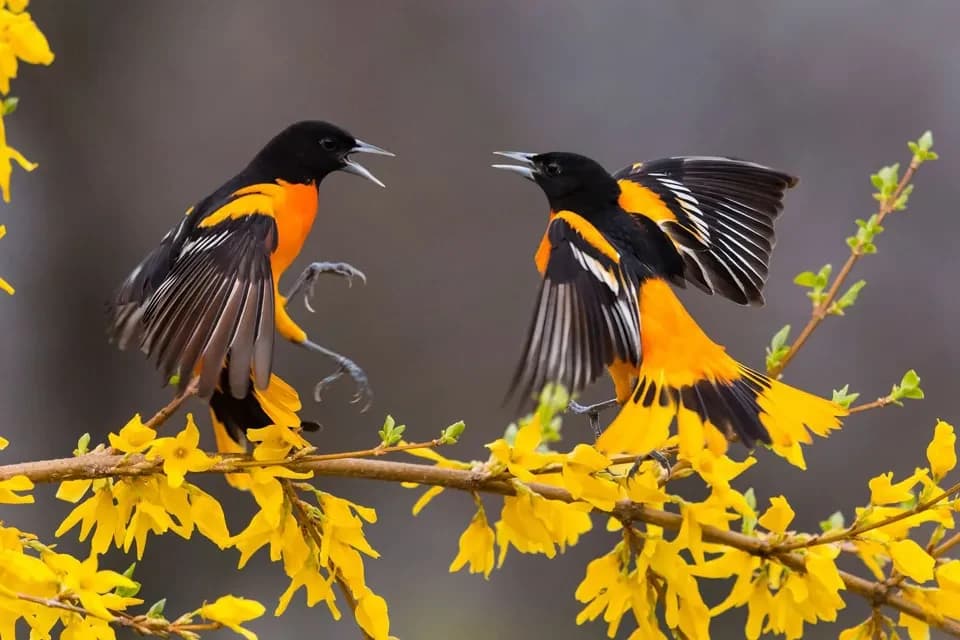
Every October, as sub-zero blizzards freeze the lakes of Siberia, Mongolia, and the Tibetan Plateau, one of Earth's grandest natural spectacles unfolds above Nepal. Tens of thousands of waterbirds and raptors navigate 6,000-meter Himalayan passes along the Central Asian Flyway to winter in Nepal's subtropical floodplains.
Why Migratory Birds Visit Nepal
Nepal serves as a crucial southern terminal and flyway bottleneck along the Central Asian Flyway. As Siberian waters freeze over in autumn, roughly 150 species of winter migrants travel southward. The ice-free waters of the southern Terai offer rich winter foraging—aquatic weeds, mollusks, insects, and grain gleanings—from October through March.
Furthermore, crossing the highest mountains on Earth demands immense physical endurance. River corridors like the Koshi, Kali Gandaki, and Karnali channel weary birds directly into lower-elevation resting wetlands to replenish depleted fat reserves.
Why Wetlands and Stopovers Matter
Stopover wetlands function as vital ecological refueling stations. Without these secure habitats, exhausted migrants cannot survive their trans-continental journeys. In Nepal, critical Ramsar wetlands include:
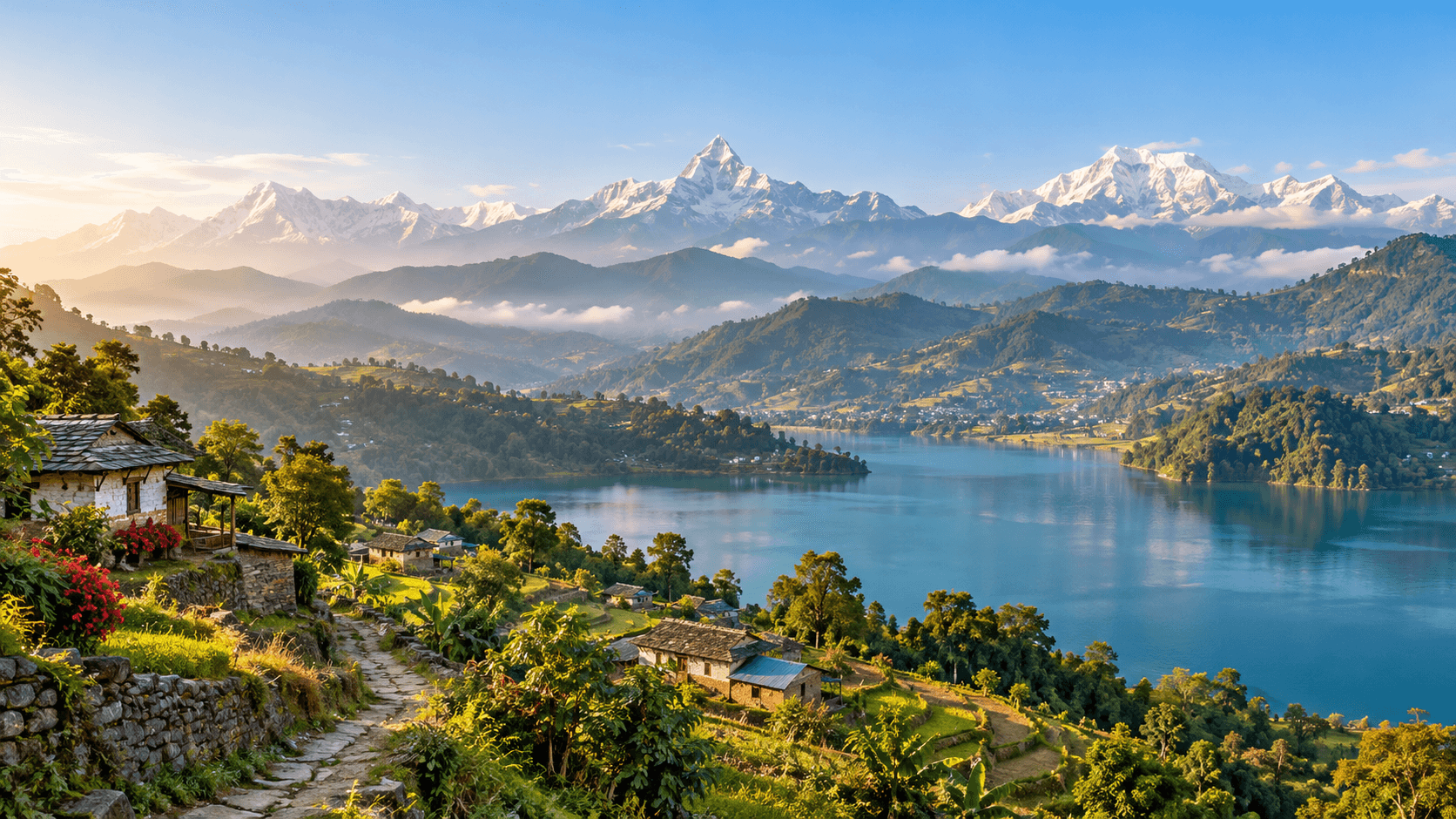
Koshi Tappu Wildlife Reserve (Eastern Terai): Nepal's premier waterbird sanctuary, supporting over 500 avian species across its braided river floodplains. Jagdishpur Reservoir (Kapilvastu, Lumbini Province): A 225-hectare Ramsar reservoir regularly harboring over 20,000 wintering ducks and waders. Beeshazar and Associated Lakes (Chitwan Buffer Zone): An oxbow lake complex providing quiet forested feeding grounds. (For complete safari details, consult our verified Chitwan Travel Guide). Pokhara Valley Lake Cluster: A mid-hill Ramsar cluster (Phewa, Begnas, Khaste) offering essential open water resting points.
Documented Conservation Pressures
According to BirdLife International's State of the World's Birds report, 45% of assessed migratory bird species are in decline globally. In Nepal, ornithologists report significant localized pressures:
Wetland Encroachment & Shrinkage: Land reclamation, siltation, and commercial fish farming diminish natural marsh shorelines. Agricultural Chemical Runoff: Heavy pesticide and fertilizer use contaminates aquatic food webs, depleting insect and frog populations. Linear Infrastructure: High-voltage power transmission lines across river floodplains cause severe collision and electrocution mortalities among large birds like storks, cranes, and eagles. Invasive Water Hyacinth: Thick floating weed mats suffocate open waters, preventing diving ducks from feeding. Climate Disruption: Erratic storms and unseasonable temperatures disrupt traditional migratory calendars.
How Visitors Can Watch Birds Responsibly
Birdwatching injects crucial eco-tourism revenue into rural buffer-zone economies, but visitors must adhere to strict ethical standards:
Maintain Respectful Distance: Use binoculars and telephoto lenses. Never approach close enough to cause birds to take flight or stop feeding. No Audio Playbacks: Never broadcast recorded bird calls on mobile speakers to lure birds out of hiding. This burns vital energy required for their survival. Stay on Designated Paths: Avoid trampling fragile marshland vegetation, mudflats, and reedbeds; utilize watchtowers and earthen dykes. No Flash Photography: Artificial flashes startle resting flocks and disrupt nocturnal wildlife. Pack Out All Waste: Adhere to Leave No Trace principles; leave zero plastics or food containers behind. Engage Local Community Guides: Hire licensed nature guides from buffer-zone communities to ensure compliance with park zoning.
Verified Destinations for Nature Travelers
(Note: Sighting wild birds depends entirely on weather and water levels; ethical guides will never guarantee sightings. Exact coordinates of sensitive nesting sites are strictly withheld for conservation protection).
Koshi Tappu Wildlife Reserve: Best from November to February for waterfowl and waders. Accessible via Biratnagar or the East-West Highway. Jagdishpur Reservoir: Best from December to February for wintering ducks. Located 40 km west of Lumbini with paved access from Bhairahawa. Chitwan National Park & Beeshazar Lake: Best from late October to March. Read our complete Chitwan Travel Guide for safari regulations, costs, and itineraries.
Frequently Asked Questions (FAQ)
Q1: When is the peak season to observe migratory waterbirds in Nepal? The prime window is between mid-November and late February, when Siberian and Central Asian wintering populations reach their highest concentrations.
Q2: Can tour operators guarantee sightings of rare migratory birds? No. Wild birds move freely across regional wetlands based on fluctuating water levels. Responsible nature operators never guarantee sightings.
Q3: How can tourists contribute to bird conservation in Nepal? Travelers can log their field observations on citizen science platforms like eBird or share checklists with Bird Conservation Nepal (BCN), directly supporting ongoing research.
Sources, Citations & Credits: 1. Convention on the Conservation of Migratory Species of Wild Animals (CMS / UNEP) — Official campaign theme: Every Bird Counts (worldmigratorybirdday.org) 2. BirdLife International — State of the World's Birds report (Nairobi Global Flyways Summit) 3. Bird Conservation Nepal (BCN) — National 904-species avian checklist, waterbird census data, and ornithological commentary 4. Kantipur National Bureau (Manoj Paudel) — Field reporting from Kapilvastu/Lumbini (ekantipur.com)
Before you go
- 1World Migratory Bird Day: Observed on Saturday, October 10, 2026, under the global theme 'Every Bird Counts – Your Observations Matter!'
- 2National Milestone: A storm-blown Collared Kingfisher in Dhanusha recently lifted Nepal's recorded bird species tally to 904 species (~8% of the world's birds).
- 3The Trans-Himalayan Journey: Over 150 species of winter migrants cross 6,000-meter Himalayan passes along the Central Asian Flyway to winter in Nepal's ice-free wetlands.
- 4Crucial Ramsar Stopovers: Koshi Tappu, Jagdishpur Reservoir, Beeshazar Lake in Chitwan, and Pokhara lakes act as vital refueling hubs.
- 5Documented Threats: Wetland drainage, pesticide runoff, powerline collisions, invasive water hyacinth, and climate disruption.
- 6Responsible Birding: Maintain ethical distance, avoid artificial call playbacks, stay on marked trails, and leave no trace.
Specialized travel, biodiversity, and trekking editorial desk at HamroBuzz, providing fact-checked field guides, verified tariffs, and practical travel advisories across Nepal.