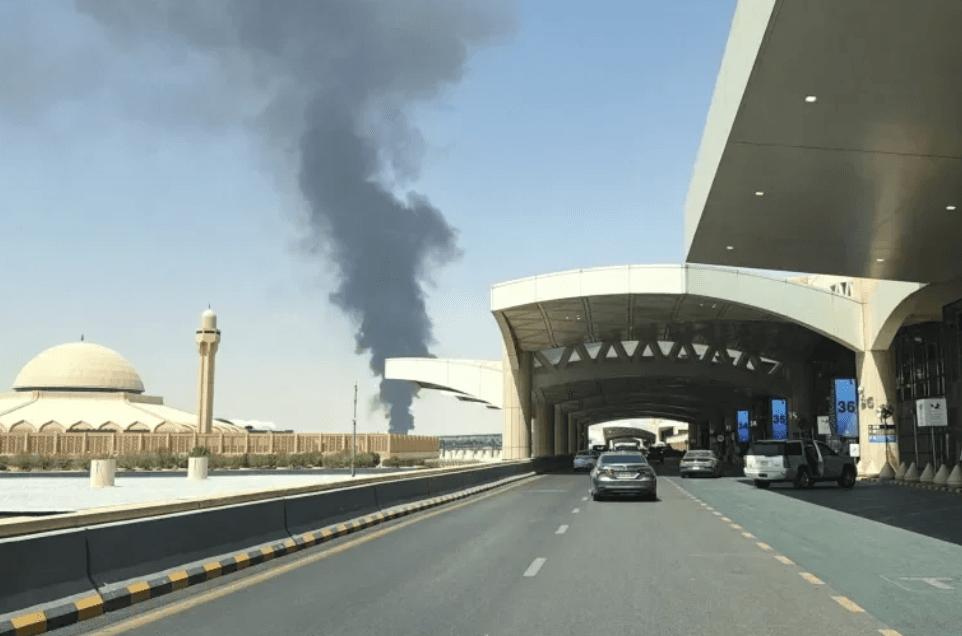

BRUSSELS: International aviation regulators, including the European Union Aviation Safety Agency (EASA) and ICAO, extended urgent conflict zone safety bulletins on Monday, compelling global commercial airlines to divert flights around Middle Eastern airspace and triggering unprecedented jet fuel expenditures and flight delays between Europe and Asia.
Global Airspace Diversion Fact Box
- Restricted Corridors: Sovereign airspace of Iran, Iraq, Lebanon, and parts of the Levant.
- Daily Diverted Flights: Exceeding 1,800 intercontinental passenger and cargo services.
- Operational Cost Impact: ~$15 Million daily in supplementary jet kerosene and crew overtime.
- Attribution Authority: BBC News World, CNN International, EASA Conflict Zone Information Bulletins (CZIB).
Which specific airspace zones are currently subject to international flight bans?
Aviation safety directives strictly advise commercial carriers to avoid flight levels across Iranian and Iraqi airspace following recent military missile salvos and active electronic warfare jamming. Carriers including Lufthansa, British Airways, Air India, and Emirates have diverted aircraft across alternative northern corridors over Azerbaijan or southerly corridors across Egypt and the Red Sea.
"Civil aviation safety is non-negotiable. Until regional missile threats and air defense risks are verifiably neutralized, defensive rerouting remains the only acceptable standard."
— EASA Safety Bulletin Directorate
How does flying around the Middle East impact fuel burn and passenger ticket prices?
Diverting around Iranian airspace adds between 500 to 1,200 nautical miles per round trip, translating into 45 to 120 minutes of additional airborne flight duration. Airline financial analysts note the surge in jet fuel consumption has forced carriers to implement elevated international ticketing surcharges on long-haul transit itineraries.
What measures are international civil aviation authorities taking to guarantee passenger safety?
ICAO and regional air traffic control centers have established dynamic tactical coordination cells that share military radar feeds with civilian flight dispatchers in real time, ensuring flight crews receive immediate rerouting instructions if surface-to-air missile activity is detected.