
Kathmandu & Pokhara: As mid-autumn brings clear Himalayan skies and the annual festival season, Nepal is witnessing concurrent surges in international arrivals, infrastructure milestones, and monetary fine-tuning. For travelers, diaspora observers, and local residents alike, tracking these shifts provides a factual window into the country’s trajectory. Here are the five most significant developments that shaped Nepal this week, verified by the HamroBuzz Bureau.
1. Autumn Tourism Rebound: Arrivals Jump 22.4% as Pokhara Hits 84% Occupancy
Preliminary data from the Nepal Tourism Board (NTB) and the Department of Immigration shows over 65,000 foreign travelers entered Nepal by air over the last two weeks alone. This represents a 22.4% year-on-year increase compared to autumn 2025, driven by strong growth in trekking permits for the Annapurna Circuit, Mardi Himal, and Everest base routes.
In Pokhara’s Lakeside hub, the Western Region Hotel Association confirmed room occupancy has climbed to 84%, with European, North American, and Indian travelers leading bookings. Cafes, paragliding companies, and boat operators are reporting their strongest seasonal turnover since 2019.
2. Prithvi Highway Upgrade: Damauli Urban Bypass Successfully Blacktopped
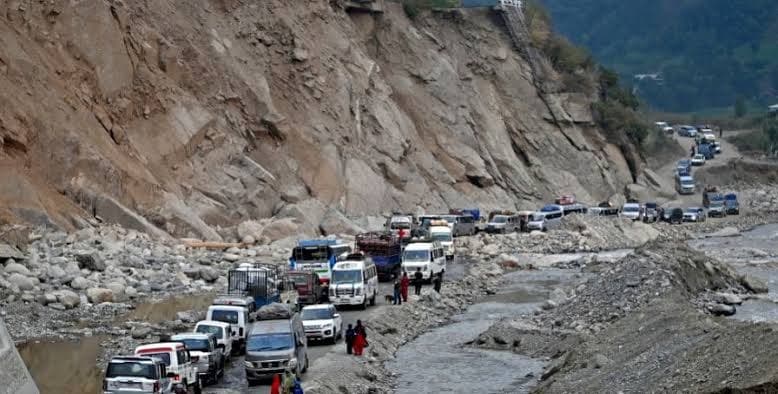
A critical bottleneck along the 200-kilometer Kathmandu–Pokhara transport artery has been resolved. Contractors working on the ADB-backed Mugling–Pokhara eastern package completed asphalt blacktopping along the Damauli urban bypass in Tanahun.
Previously prone to severe dust storms in dry weather and deep mud in monsoons, the newly paved bypass allows buses and private vehicles to circumvent town congestion. Highway transport associations report an immediate reduction of 30 to 40 minutes in overall journey duration, bringing standard coach transit times down to approximately 5.5 to 6.5 hours.
3. Central Bank Relaxes Working Capital Guidelines for Small Hospitality Operators
In response to sluggish domestic credit demand, Nepal Rastra Bank (NRB) issued revised regulatory circulars easing working capital loan requirements for micro, small, and medium enterprises (MSMEs).
Operators running tourist guest houses, homestays, rural transport fleets, and agricultural processing facilities with credit limits up to NPR 20 million (approx. $150,000 USD) are granted greater leeway in aligning bank borrowings with seasonal revenue cycles. The decision is expected to relieve cash-flow pressures as businesses restock inventories for the winter travel season.
4. Heavy-Lift Drone Cargo Corridor Validated Across Mountainous Gandaki Routes
Following the successful fuel and emergency food airlift along the Beni–Jomsom corridor during recent monsoon disruptions, civil aviation authorities have validated autonomous heavy-lift drone operations across rugged Gandaki routes.
Capable of carrying payloads up to 50 kilograms in high-altitude conditions, the electric vertical take-off and landing (eVTOL) units demonstrated rapid delivery of antivenom, blood supplies, and emergency medical kits from Pokhara to remote health posts in under 25 minutes. Provincial health authorities are drafting guidelines to make aerial emergency logistics a permanent regional service.
5. Clean Hydropower Crosses Record 950 MW in Daily Cross-Border Exports
Capitalizing on peak reservoir water levels following the monsoon, the Nepal Electricity Authority (NEA) achieved an all-time record by exporting over 950 megawatts of clean hydroelectricity daily to the Indian energy exchange.
Operating through the high-capacity Dhalkebar–Muzaffarpur 400 kV cross-border transmission corridor, these exports generate an estimated NPR 120 million ($900,000 USD) per day in foreign currency revenue. The influx provides crucial support for Nepal’s gross foreign exchange reserves as import demand rises during festival months.
"From highway paving to clean power export records, this week reflects steady structural momentum. As the autumn tourism season gathers pace, infrastructure resilience remains the single most important factor for sustainable growth." — HamroBuzz Bureau
Verified sources: Nepal Tourism Board (NTB), Department of Roads Project Directorate, Nepal Rastra Bank Circulars, and NEA Dispatch Control.