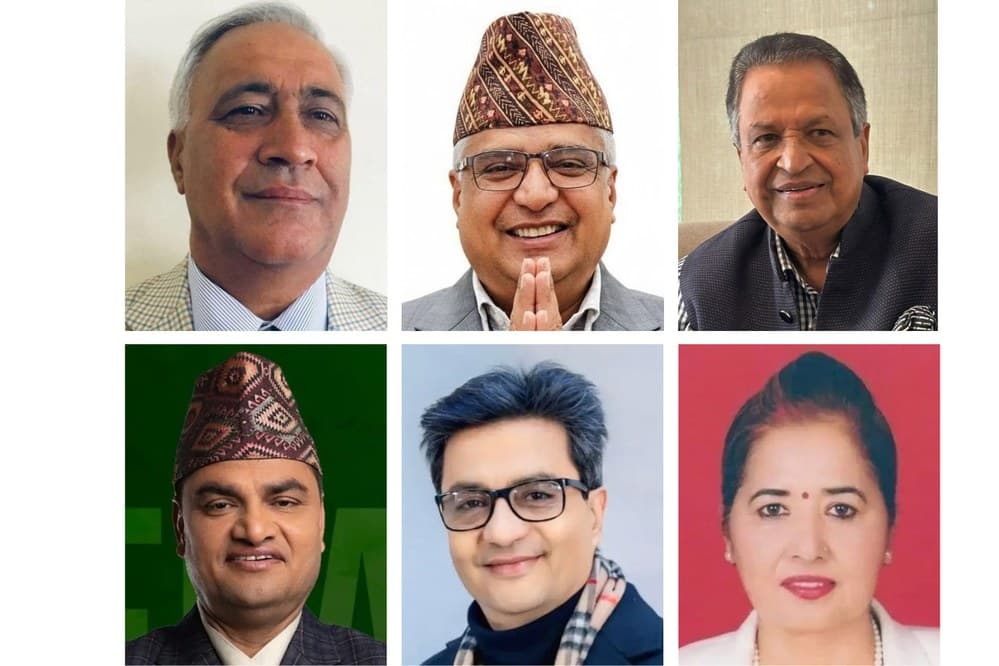
POLITICAL & INTER-GOVERNMENTAL REPORT (Oct 13, 2026) Chief ministers across Nepal have converged in Biratnagar to mount collective pressure on Kathmandu for long-delayed constitutional powers, civil service laws, and equitable fiscal devolution. Aiming to streamline the implementation of federalism and tackle chronic administrative bottlenecks, the two-day Interprovincial Chief Ministers’ Conference 2026 opened on Tuesday in Biratnagar, the capital of Koshi Province. Hosted by the Koshi provincial government at Big Hotel, the high-level conclave brings together six provincial chief ministers alongside chief attorneys, planning commission heads, and principal secretaries to formulate a unified provincial stance. Illustrative venue: Inter-governmental conference hall (Photo: Unsplash / Unsplash License). Six provincial chief ministers and senior legal and planning officials convened in Biratnagar on Tuesday. 1. Opening, Host Government, and Verified Attendance The opening session commenced at 9:00 AM on Tuesday under the chairmanship of Koshi Chief Minister Hikmat Kumar Karki. While initial announcements projected participation from all seven provinces, the latest verified attendance record confirms physical participation by six chief ministers: Host & Chair: Chief Minister Hikmat Kumar Karki (Office of the Chief Minister and Council of Ministers, Koshi Province). Chief Ministers Physically Present: Hikmat Kumar Karki (Koshi), the Chief Minister of Madhesh, the Chief Minister of Bagmati, Surendra Raj Pandey (Gandaki), Chet Narayan Acharya (Lumbini), and Yam Lal Kandel (Karnali). Sudurpashchim Absence: The Chief Minister of Sudurpashchim Province was unable to travel to Biratnagar due to urgent, concluding preparations for the provincial budget, according to Koshi government officials. Delegation Structure: Each attending province is represented by a core quadrilateral delegation: the Chief Minister, the Chief Attorney (chief legal advisor), the Vice Chairperson of the Provincial Policy and Planning Commission, and the Principal Secretary (top civil servant). 2. Technical Agenda and Thematic Working Papers Moving beyond routine political posturing, Tuesday’s sessions were structured around documented technical working papers presented by governance and economic specialists: Session & Time Thematic Subject Keynote Presenter Chair & Discussant Session 2 (11:20 AM) Provincial Achievements, Innovative Practices & Policy Learnings Vice Chairs of Provincial Planning Commissions & Economic Advisors Interprovincial benchmarking & data sharing Thematic Session 1 (2:00 PM) Interprovincial Coordination, Global Practices & Institutional Roadmap Dr. Khim Lal Devkota (Federalism Expert) Chair: Bipin Raj Niraula (Acting Chair, NNRFC); Discussant: Dr. Bipin Adhikari (Constitutional Expert) Thematic Session 2 (3:00 PM) Development Partnerships: Economic Integration, Connectivity & Disaster Risk Dr. Dipesh Kumar Ghimire (Asst. Professor, TU) Chair: Dr. Subas Shree Pokharel (VC, Manmohan Tech Univ); Discussant: Balananda Poudel Parallel Sessions (4:00 PM) Hall 1: Declaration Drafting; Hall 2: B2B Dialogue with Morang Industrialists Chief Ministers & Private Sector Chambers (MCCI, CNI Koshi) Trade promotion, logistics, and interstate commerce 3. Core Provincial Grievances and Demands Nearly nine years since the promulgation of Nepal's 2015 Constitution, the participating provincial executives articulated deep frustration with persistent centralized control exercised by federal ministries in Singha Durbar: Stalled Police Integration: Despite the formal enactment of the Police Adjustment Act, federal authorities have repeatedly deferred the physical transfer of personnel and command authority to provincial police units. Delayed Federal Civil Service Act: The continued legislative deadlock over the Federal Civil Service Act has left provinces hamstrung in recruiting permanent staff, establishing career pathways, and deploying administrative personnel. Fiscal Imbalances and Grant Cuts: Chief ministers criticized unilateral cuts to federal equalization grants (Samānikaraṇa Anudāna), disproportionate federal retention of national revenue collections, and delays in royalty transfers from natural resources. Micro-Management of Small Projects: Speakers condemned the federal government's practice of allocating small-budget infrastructure schemes (under Rs 30 million) directly from federal ministries, overriding provincial development jurisdiction. 4. What Authority Does This Conference Hold? Operational Powers (What It Can Do) Forge unified political consensus among provincial executives. Submit formal, joint demands to the Prime Minister and the Inter-State Council. Coordinate interprovincial policy on shared transport, disaster management, and commerce. Draft and sign the consensus 'Koshi Declaration 2026'. Constitutional Limits (What It Cannot Do) It is not a legislative parliament; it cannot pass statutory laws. Its declarations are politically influential but not legally binding on the federal cabinet. It cannot unilaterally modify constitutional revenue-sharing formulas. 5. Frequently Asked Questions (FAQ) Q1: Why are the chief ministers meeting in Biratnagar? The chief ministers convened to address systemic bottlenecks in provincial governance—including withheld police powers, delayed civil service legislation, and unequal revenue sharing—and to build a collective lobbying front before the federal government. Q2: Who is attending the conference? Six provincial chief ministers are physically in attendance (Koshi, Madhesh, Bagmati, Gandaki, Lumbini, and Karnali), accompanied by their respective chief attorneys, planning commission vice chairs, and principal secretaries. The Chief Minister of Sudurpashchim was unable to attend due to urgent provincial budget preparations. Q3: Has a declaration been issued or is one only planned? A declaration has not yet been issued. Tuesday’s proceedings were dedicated to working paper presentations and drafting committee deliberations. The formal 'Koshi Declaration 2026' is scheduled to be signed and unveiled at a press conference on Wednesday at 12:30 PM. Q4: Are the conference's decisions legally binding on the central government? No. The conference serves as an inter-governmental coordination and advocacy forum. While its consensus carries substantial political weight, statutory changes require legislative enactment by the Federal Parliament or formal decisions by the constitutional Inter-State Council chaired by the Prime Minister. 6. Official Sources, References & Credits Verified Sources and Documentary References: Koshi Provincial Government: Office of the Chief Minister and Council of Ministers, Biratnagar — Official conference agenda, schedule, and administrative briefing (ocmcm.koshi.gov.np). Kantipur Daily (Field Reporting): Parbat Portel, Koshi Bureau — ‘Inter-Provincial Chief Ministers Conference Begins in Biratnagar’ (Kantipur News Link). Gorkhapatra National Daily: Biratnagar Correspondent — ‘Chief Ministers Conference Starts Today in Biratnagar’ (Gorkhapatra Article Link). National Natural Resources and Fiscal Commission (NNRFC): Discussion proceedings on interprovincial fiscal coordination and equalization grants. 7. Related Coverage on HamroBuzz Explore our verified coverage on Nepal's governance, party politics, and interprovincial infrastructure: Party Leadership Dynamics: Nepali Congress Election Results: Vice Presidents & General Secretaries Disaster Risk Governance: What Triggered the Budhi Gandaki Flash Flood: Landslide Dam-Burst Explainer Cross-Provincial Tourism: Pokhara, Bharatpur and Lumbini Promote ‘Silver Triangle’ Tourism
Politics
05 min read
Chief Ministers Meet in Biratnagar to Discuss Provincial Priorities
Six provincial chief ministers convene in Koshi capital to demand delayed federal devolution on police, civil service, and fiscal transfers; joint 'Koshi Declaration' slated for Wednesday.
यो समाचार नेपाली भाषामा पनि उपलब्ध छ:
नेपालीमा पढ्नुहोस् →
HamroBuzz Editorial DeskNewsroom Editorial Bureau
Tuesday, 27 Ashwin 2083 BS | AD: October 13, 2026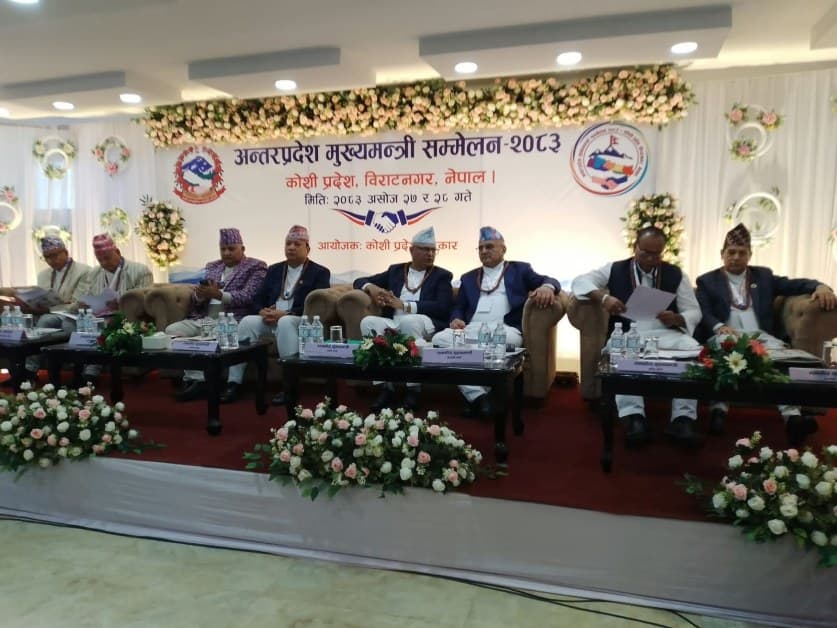
- The two-day Interprovincial Chief Ministers' Conference 2026 formally commenced at 9:00 AM on Tuesday at Big Hotel in Biratnagar, hosted by Koshi Province.
- Six chief ministers are physically in attendance, while Sudurpashchim's chief minister was unable to attend due to pressing provincial budget preparations.
- Delegations from each participating province comprise the Chief Minister, Chief Attorney, Vice Chairperson of the Policy and Planning Commission, and Principal Secretary.
- Working papers examined federalism roadmaps, civil service inertia, sluggish police integration, and interprovincial economic integration.
- The conference is a consultative body rather than a legislative authority; the formal 'Koshi Declaration 2026' is scheduled for adoption on Wednesday.
ABOUT THE AUTHOR
HamroBuzz Editorial Desk
Newsroom Editorial BureauOfficial newsroom desk reports produced under HamroBuzz editorial verification, source authentication, and fact-checking standards.
More articles by this authorMore from Politics

Reader Comments
0Leave your perspective
Loading comments...